
Calcium Hardness in Spa Water NZ: The Complete Guide to Water Comfort
You settle into your spa after a long day, expecting a weightless, soothing soak, but instead, your skin feels itchy and the water has a strangely "sharp" sensation. It's a common frustration for many New Zealand families who find white, chalky flakes floating in their tub or notice their equipment losing its efficiency. Most of us focus heavily on sanitisers and pH levels, yet we often overlook the foundational mineral balance that determines how the water actually feels against our skin.
Whether you're dealing with the soft water of a town supply or the mineral-heavy profile of a rural bore, managing calcium hardness in spa water nz is the secret to a truly comfortable experience. We understand that you want a spa that's a sanctuary for your health and well-being, not a source of maintenance stress. This guide will show you how to master your water's mineral levels for a crystal-clear, skin-friendly result that's tailored to our local conditions. We'll walk you through the ideal ranges to protect your investment from scale and corrosion, ensuring your spa remains a gentle, inviting space for the whole family.
Key Takeaways
- Learn why your specific NZ water source, whether bore or town supply, requires a unique approach to mineral balance.
- Discover the target "Goldilocks Zone" for calcium levels that keeps your water clear and your skin comfortable.
- Identify the primary causes of white flakes and cloudy water by mastering calcium hardness in spa water nz.
- Recognize the early warning signs of equipment corrosion before low calcium levels cause expensive damage to your heater.
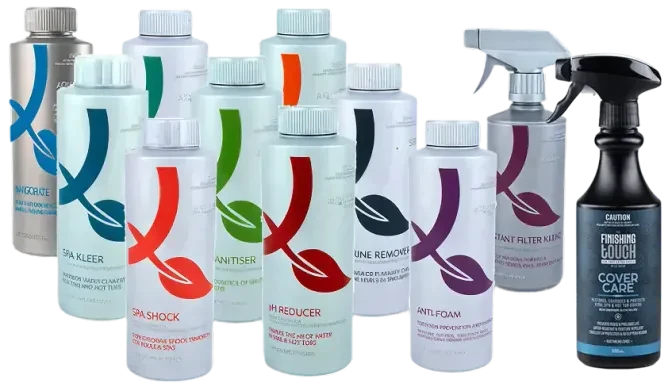
- See how the AQUASPA™ CHLORINE FREE START-UP KIT provides the perfect foundation for a gentle and effective maintenance routine.
Table of Contents
Understanding
Calcium Hardness in New Zealand Spa Pools
The
Ideal Calcium Hardness Range for NZ Spas High Calcium Hardness: Solving the "White Flake" Problem
Low
Calcium Hardness: Preventing Equipment Corrosion
Maintaining
Healthy Water with the AQUASPA™ System
Understanding Calcium Hardness in New Zealand Spa Pools
Calcium hardness measures the amount of dissolved calcium and magnesium minerals present in your spa. Think of it as the "body" or "texture" of your water. When these levels are balanced, the water feels silky and supportive. If they're off, the water can become "aggressive," searching for minerals to consume, or "saturated," dumping minerals onto your surfaces. Calcium hardness acts as the essential mineral foundation that prevents your water from becoming either aggressive and corrosive or prone to heavy scaling.
In New Zealand, the water coming out of your tap isn't a single standard. The soft rainwater common on the West Coast is worlds apart from the mineral-heavy bore water found in Central Otago. This regional variation is exactly why understanding calcium hardness in spa water nz is vital for every local owner. It’s not just about the chemistry; it’s about how the water interacts with your body and your home.
NZ Water Sources: Town Supply vs. Tank vs. Bore
Your starting water quality depends entirely on your local source. Kiwi spa owners usually fall into one of three categories:
- Town Supply: Most cities have relatively stable water, but there are differences. Auckland’s supply, sourced from dams and the Waikato River, is generally moderate, while Christchurch’s artesian aquifers can carry different mineral loads.
- Rainwater/Tank: If you rely on tank water, your supply is often "hungry." It naturally lacks minerals, meaning it will try to pull them from your spa's metal heaters and seals to reach balance.
- Bore Water: Common in rural NZ, bore water is frequently high in minerals. This often leads to rapid scale buildup that feels like sandpaper on your skin and ruins the look of your acrylic shell.
The Science of "Saturation Index" Simplified
Maintaining a healthy spa involves a delicate dance between pH, total alkalinity, and calcium. This relationship is part of what experts call the Saturation Index. You can't simply fix a calcium problem by adjusting your pH levels; they're separate but connected pillars of water health. To get a better grasp of the chemistry, you can read about what hard water is and how it impacts household systems.
In a spa environment, temperature plays a massive role. As your water heats up for a soak, minerals actually become less soluble. This means high-calcium water is much more likely to form scale in a hot spa than in a cold swimming pool. Balancing calcium hardness in spa water nz ensures your soak remains gentle on your skin and your equipment stays protected from the inside out.
The Ideal Calcium Hardness Range for NZ Spas
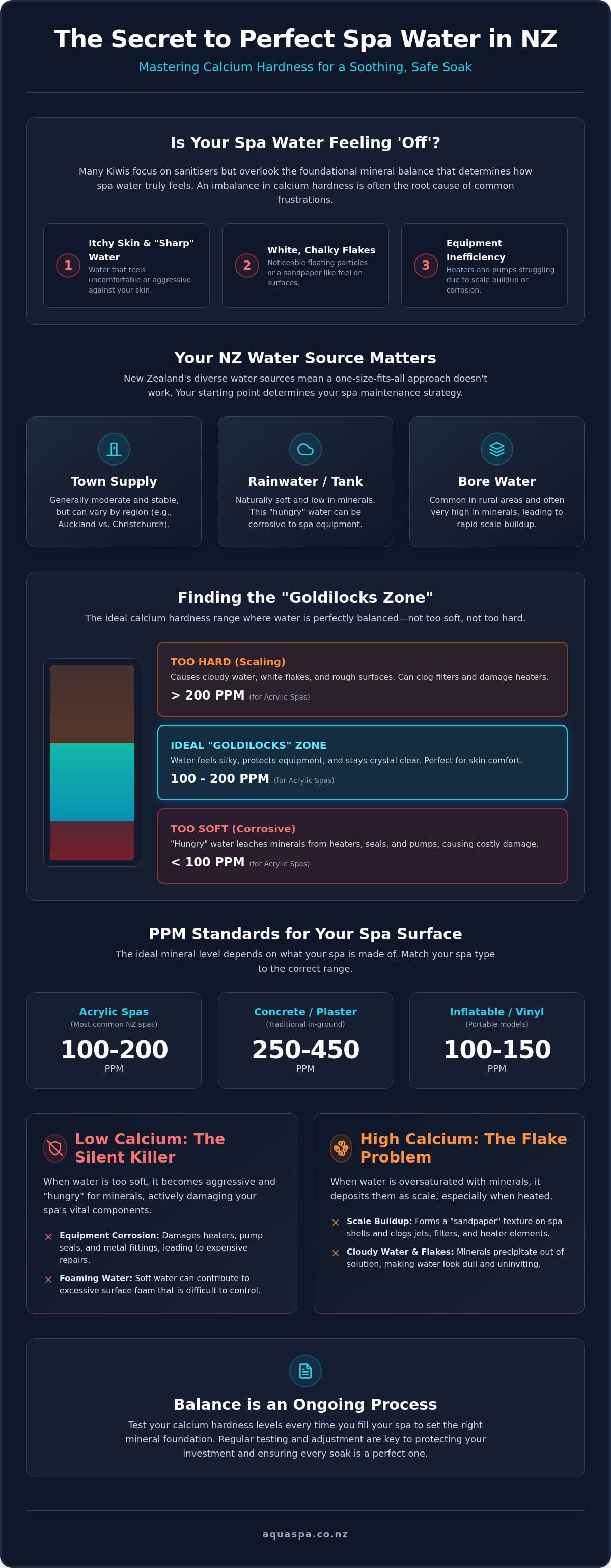
Finding the right balance for your spa water is often called reaching the "Goldilocks Zone." This is the specific range where your water is neither too soft and corrosive nor too hard and scaling. When you maintain the correct calcium hardness in spa water nz, you ensure that your soak is gentle on your skin while protecting the internal components of your spa. Because New Zealand water sources vary so much, aiming for this middle ground provides the peace of mind that your family is bathing in healthy, balanced water.
Most modern spas in New Zealand feature acrylic shells, which are durable but still require specific mineral levels to stay in top condition. Unlike concrete pools, which need much higher calcium levels to prevent the water from "eating" the plaster, acrylic spas are more forgiving. However, ignoring these levels entirely can lead to cloudy water or a "scratchy" feel that ruins your relaxation. Following standards like the Model Aquatic Health Code (MAHC) helps maintain a sanitary and comfortable environment for everyone.
PPM Standards for NZ Spa Surfaces
The ideal mineral level depends heavily on what your spa is made of. For the majority of Kiwi owners with acrylic spas, the target is a sweet spot between 100 and 200 parts per million (PPM). This range provides enough mineral content to keep the water from becoming "hungry" without causing scale buildup. If you have a traditional concrete or plaster finish, you'll need to maintain higher levels, typically between 250 and 450 PPM, to prevent the water from pitting the surface. Inflatable spas with vinyl liners also benefit from staying closer to the 100 to 150 PPM range to protect the portable pump and heater unit.
How to Test Your Hardness Levels Correctly
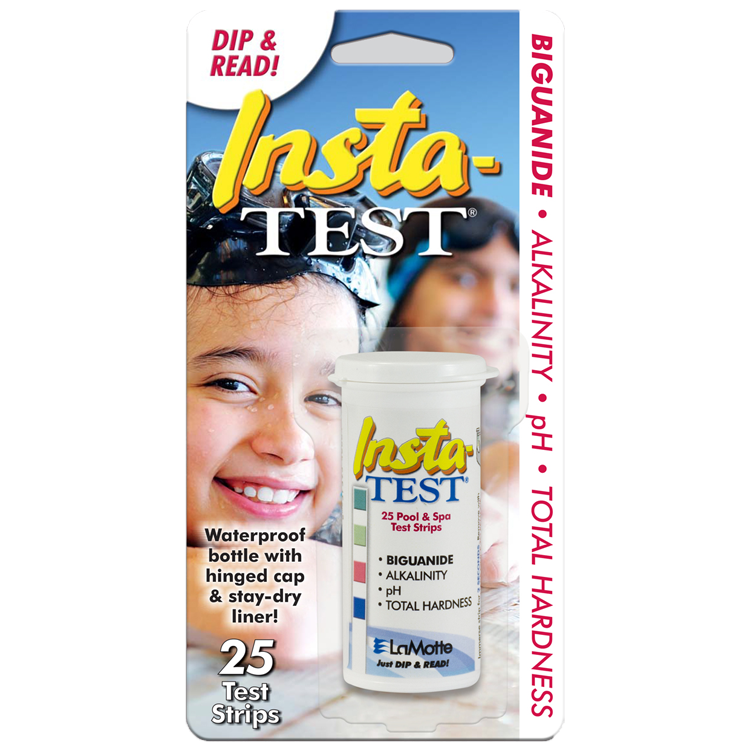
Testing your water should be a simple, stress-free part of your routine. You should check your levels every time you fill your spa, as this is when the mineral foundation is set. AQUASPA TEST STRIPS are designed to give you a clear, reliable reading in seconds. To get an accurate result, follow these steps:
- Dip the strip into the water at least 30cm below the surface, away from any jets.
- Hold the strip still for a few seconds; don't shake off the excess water.
- Compare the color pads to the chart on the bottle immediately.
Avoid testing right after you've added chemicals, as this can lead to "false" readings. It's also vital to ensure your strips haven't expired, as old reagents won't give you the accuracy you need. If you're ever unsure about your results, taking a sample to a local NZ pool shop for a professional analysis can provide a helpful baseline. For consistent results at home, using AQUASPA TEST STRIPS makes it easy to stay within that perfect comfort zone.
High Calcium Hardness: Solving the "White Flake" Problem
Have you noticed a gritty, sandpaper-like texture on your spa walls or white flakes floating in the water? These are the classic tell-tale signs that your mineral levels have climbed too high. When the water becomes oversaturated, it can't hold any more minerals in suspension. Instead, it "dumps" them onto your surfaces and equipment. This often results in cloudy water that won't clear, no matter how much you run your filter.
Beyond the look of your spa, high mineral levels directly impact how the water feels on your skin. If you live in an area with heavy mineral content, managing calcium hardness in spa water nz becomes a priority for your physical comfort. "Hard" water can leave an invisible, chalky residue on your body. For families with sensitive skin or eczema, this often leads to a "gritty" soak that causes itching and irritation rather than the soothing relaxation you expect.
High calcium scale can reduce heater efficiency by up to 25%. This happens because the scale acts as a thick layer of insulation around your heater element. Your system has to run longer and consume more power just to reach your desired temperature. Over time, this buildup leads to higher electricity bills and can eventually cause your heater to burn out prematurely.
Practical Ways to Lower Calcium in NZ
If your test strips show levels above the recommended range, you'll need to take action to bring them back into balance. Because you can't "chemical out" calcium easily, the most effective method is a partial drain and refill. By replacing a portion of your spa water with a softer source, like rainwater or a filtered town supply, you can effectively dilute the mineral concentration. Using a pre-filter on your garden hose during the refill is a smart way to catch minerals before they ever enter your tub. For those in high-mineral regions like Central Otago, a specialized scale inhibitor can help keep minerals in a liquid state, preventing them from attaching to your spa’s shell.
Protecting Sensitive Skin from Mineral Irritation
Hard water is notoriously tough on the skin's natural moisture barrier. It’s why many bathers feel dry or "tight" after a soak. Adhering to CMAHC guidelines for water balance ensures you're creating a safe, irritant-free environment. There is a wonderful synergy between balanced calcium levels and chlorine-free sanitisers. When your water is soft and the minerals are in check, the water feels noticeably silkier. This combination is much kinder to those with physical sensitivities. To restore water silkiness after a high-calcium event, focus on bringing your levels into the "Goldilocks Zone" and ensuring your pH is stable to prevent further mineral fallout.
Low Calcium Hardness: Preventing Equipment Corrosion
While white flakes are a visible nuisance, the opposite problem is often a silent, invisible threat to your equipment. Low calcium levels create what experts call "hungry water." Because the water lacks essential minerals, it becomes aggressive and begins to leach them from the metal and rubber components inside your spa. This process can lead to significant pitting on your heater elements and the premature degradation of critical seals.
For Auckland and Wellington owners who rely on softer town supplies, or those across the country using collected rainwater, managing calcium hardness in spa water nz is about protecting your financial investment. Ignoring low mineral levels can result in expensive repairs that aren't always covered by warranties. If you notice mysterious leaks or see signs of metal corrosion during a routine service, your water has likely been too soft for too long. This aggressive water doesn't just damage the hardware; it can also make the water feel "thin" and less comfortable during your soak.
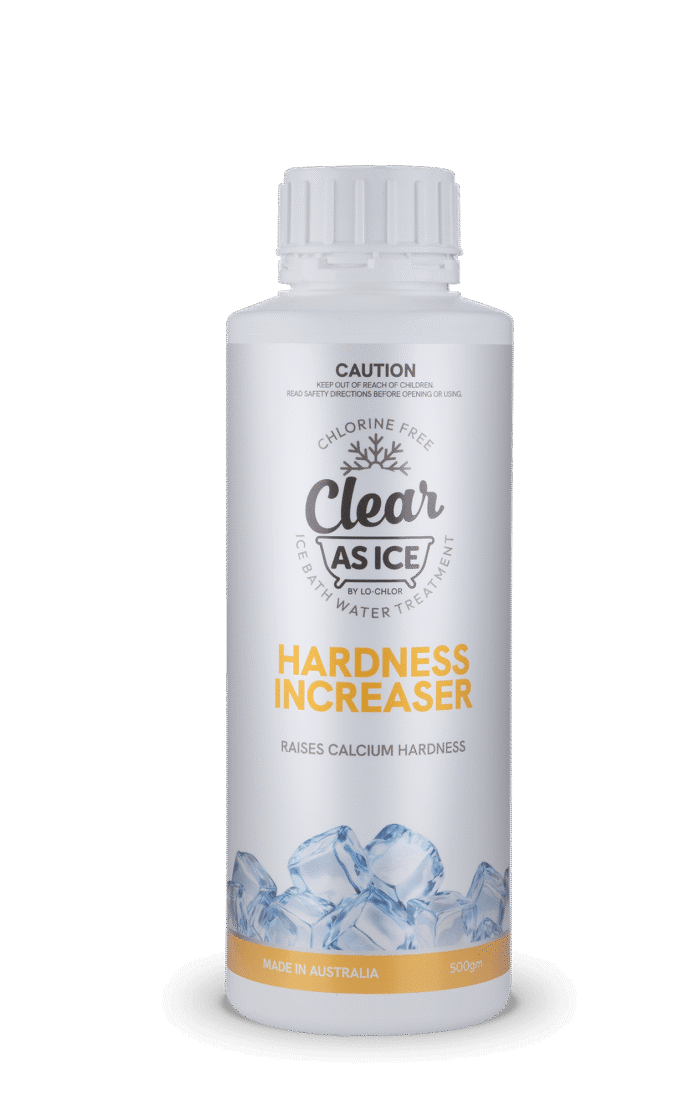
Raising Your Calcium Levels Safely
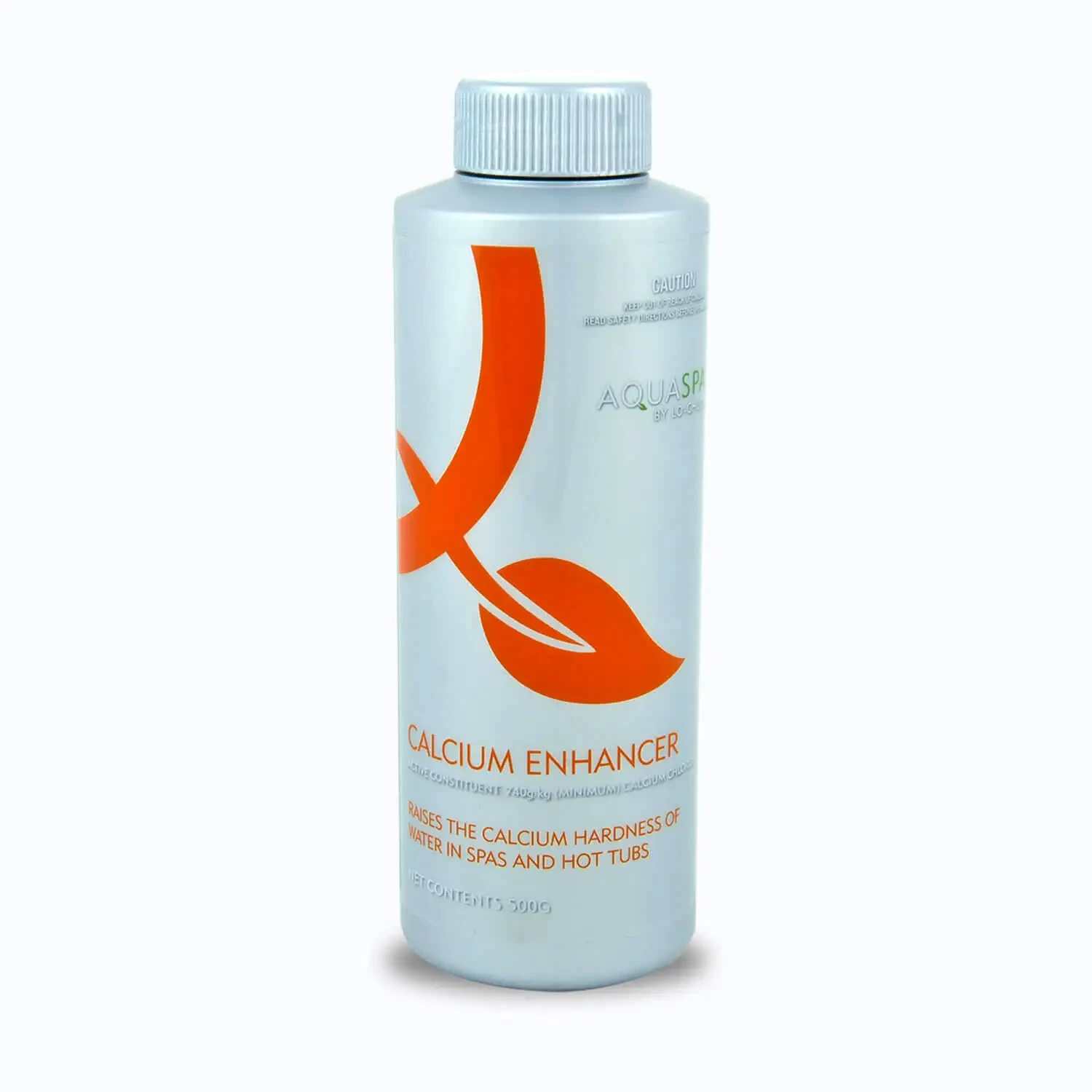
Correcting low calcium isn't difficult, but it requires a methodical approach. You should always adjust your total alkalinity before tackling calcium, as alkalinity helps stabilise your pH levels and ensures the water is ready to accept more minerals. Once your alkalinity is in the 80 to 120 PPM range, you can calculate the necessary dose of calcium increaser based on your spa's total volume. We recommend pre-dissolving your chemicals in a bucket of spa water before adding them to the tub. This simple step prevents the water from clouding and ensures the minerals are distributed evenly throughout the system without settling on the floor.
The Link Between Low Calcium and Excess Foam
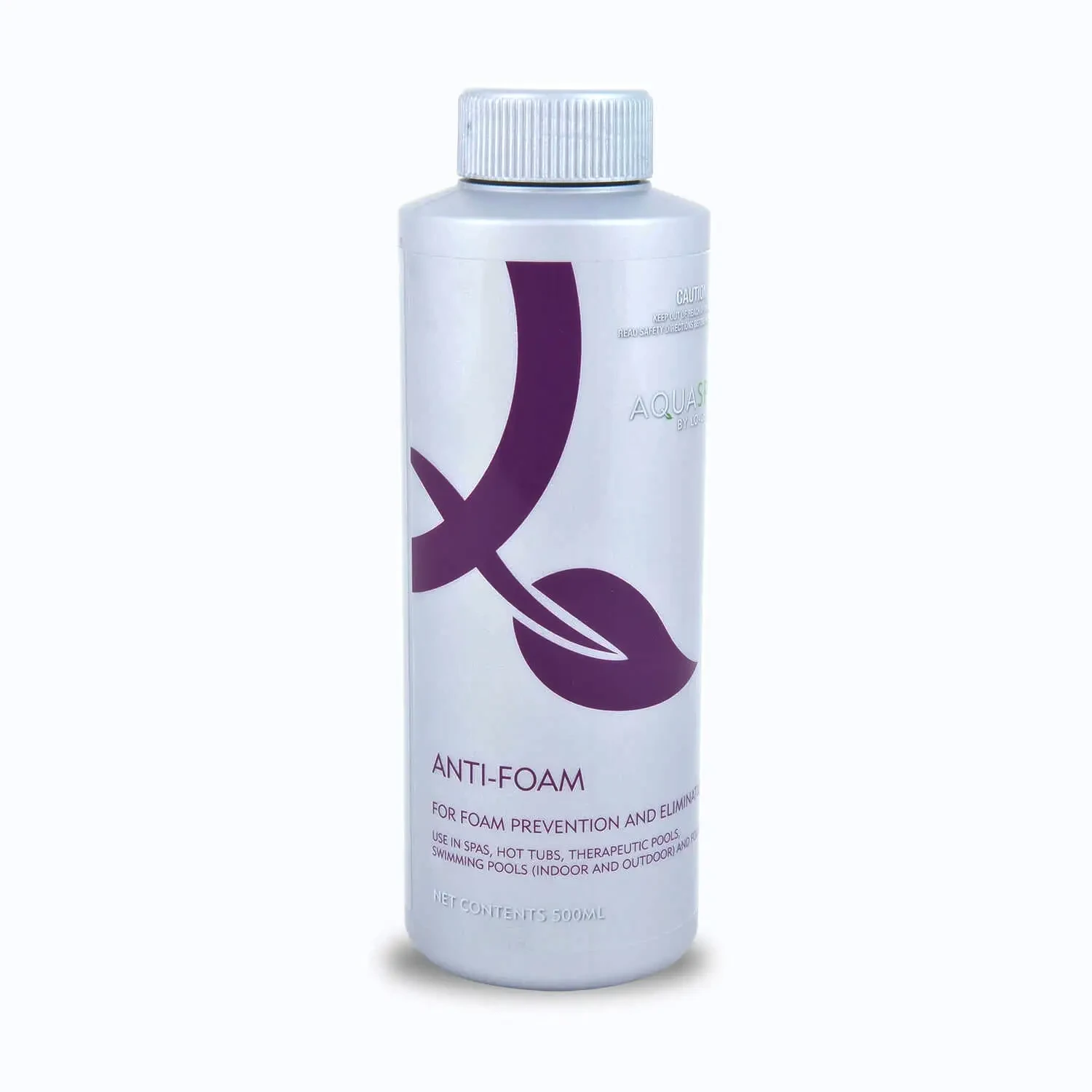
If you're constantly fighting a battle with bubbles, your calcium levels might be to blame. Soft water has lower surface tension, which allows soaps, body oils, and lotions to create foam much more easily. Maintaining a level of at least 150 PPM naturally increases the water's surface tension, making it harder for foam to form and reducing the need for anti-foam agents. For NZ owners using tank water for their first fill, here is a quick checklist to ensure a safe start:
- Test your fill water immediately using a reliable strip to establish your baseline.
- Balance your alkalinity first to provide a stable foundation for other chemicals.
- Add your calcium increaser in small stages to reach the 150 PPM mark.
- Run your pumps for at least 30 minutes to ensure the minerals are fully circulated.
Using the AQUASPA CHLORINE FREE START-UP KIT ensures you have the right tools to establish this mineral balance from day one, keeping your water gentle and your hardware safe.
Maintaining Healthy Water with the AQUASPA™ System
Establishing a stable mineral foundation is the final step in creating a truly relaxing home spa. The AQUASPA™ CHLORINE FREE START-UP KIT provides everything you need to manage your water chemistry without the harsh side effects of traditional treatments. By starting with a balanced mineral profile, you ensure that your sanitiser can focus on keeping the water clean rather than struggling against aggressive or scaling conditions. This proactive approach is the core of the AQUASPA™ philosophy: providing a soak that is as kind to your skin as it is to your spa's hardware.
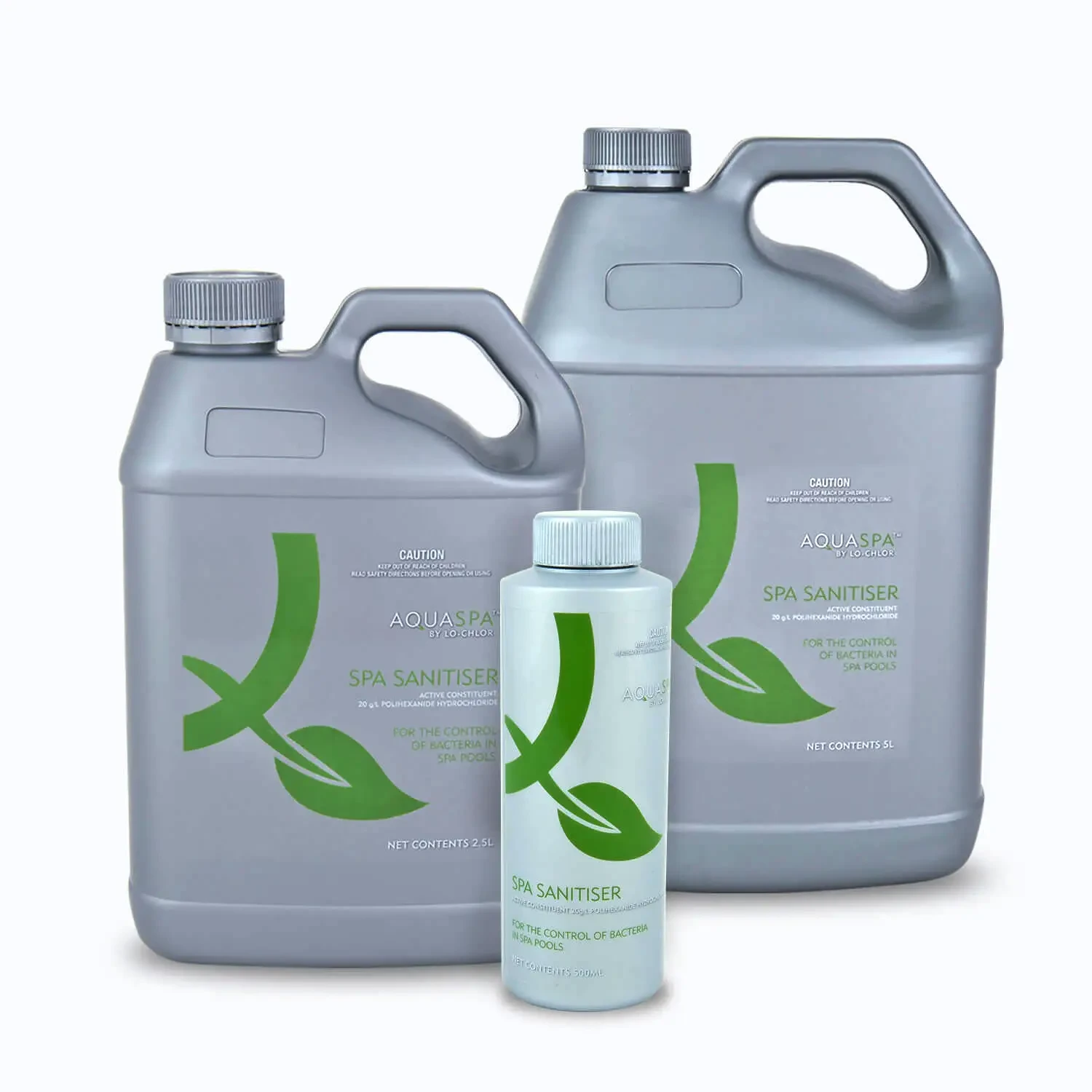
Balanced calcium hardness in spa water nz acts as a buffer that helps maintain the effectiveness of our chlorine-free system. When the minerals are in the correct range, the water remains clear and stable. This allows the AQUASPA™ SPA SANITISER to perform at its peak without being hindered by mineral fallout or equipment corrosion. This synergy prevents the common pitfalls of cloudy water or gritty deposits that can interrupt your family's relaxation time. It's about creating a simple, effective routine that prioritises your well-being.
The Chlorine-Free Advantage for NZ Families
For many Kiwi families, the traditional "chemical smell" and eye irritation of a spa can be a significant barrier to enjoyment. Our system eliminates these issues entirely, offering a scent-free experience that feels like pure, fresh water. This makes AQUASPA™ the preferred choice for those with asthma or skin sensitivities who find traditional sanitisers too harsh. When you combine this irritant-free approach with a balanced mineral profile, the water feels noticeably softer and more inviting. It's a modern solution designed for those who value physical comfort and peace of mind.
Your Weekly Water Comfort Checklist
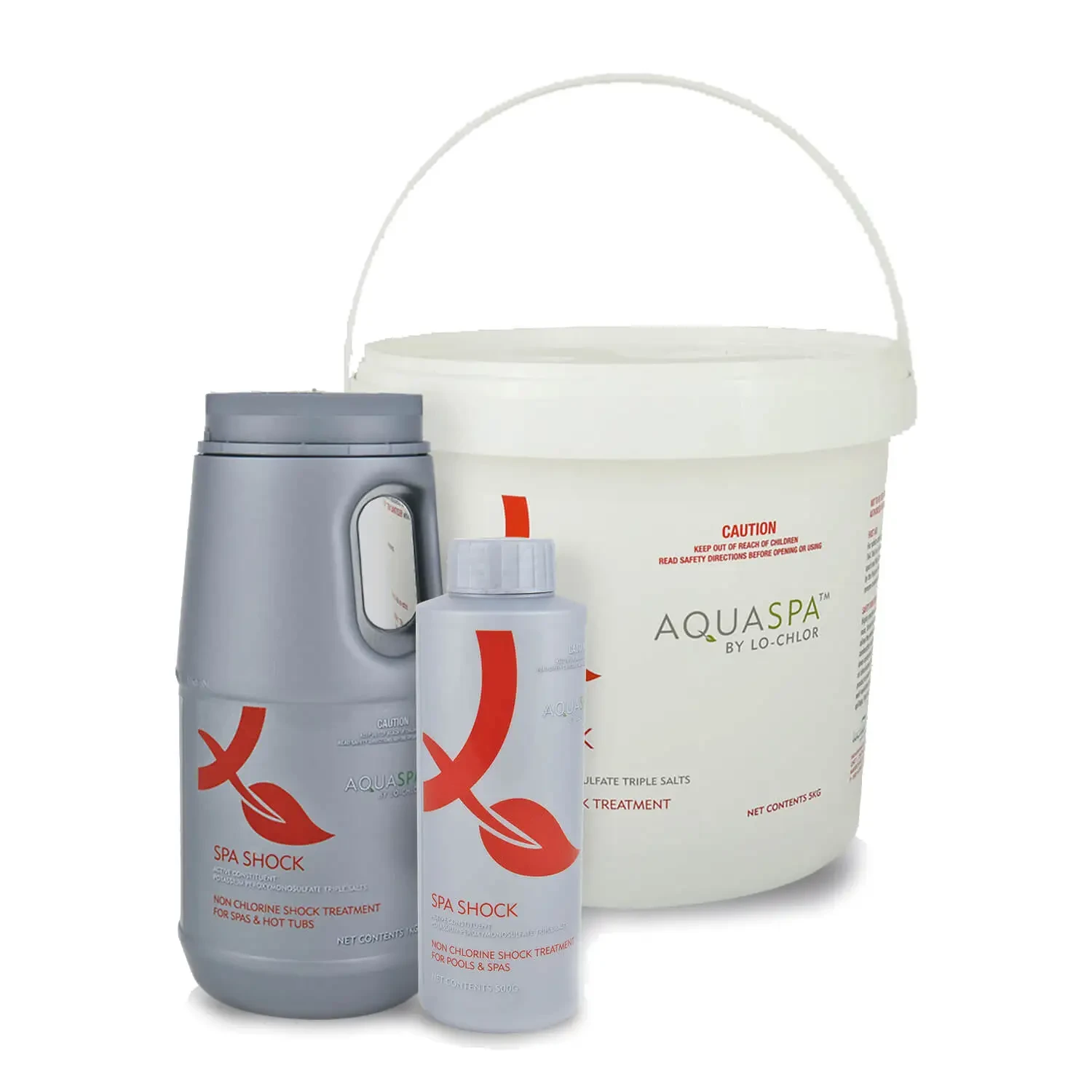
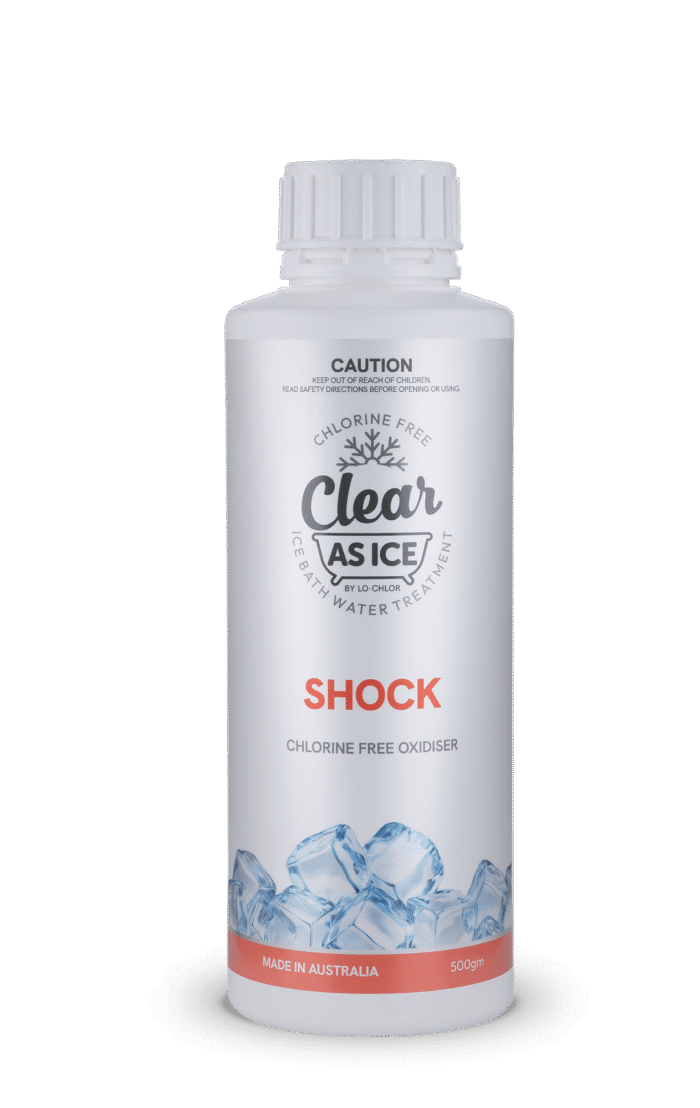
Keeping your spa in top condition doesn't have to be a chore. Integrating a few simple checks into your weekly AQUASPA™ routine will ensure your water stays silky and safe. We recommend using AQUASPA™ TEST STRIPS to monitor your pH, alkalinity, and calcium levels alongside your sanitiser dose. If you notice the water losing its sparkle after heavy use, a dose of AQUASPA™ SPA SHOCK can restore clarity quickly without any harsh odours. This methodical approach ensures your spa is always ready for a spontaneous, stress-free soak.
- Check your mineral levels weekly to stay within the 100 to 200 PPM range.
- Monitor pH and alkalinity to prevent mineral saturation or aggression.
- Use AQUASPA™ SPA SHOCK once a week to keep the water crystal clear.
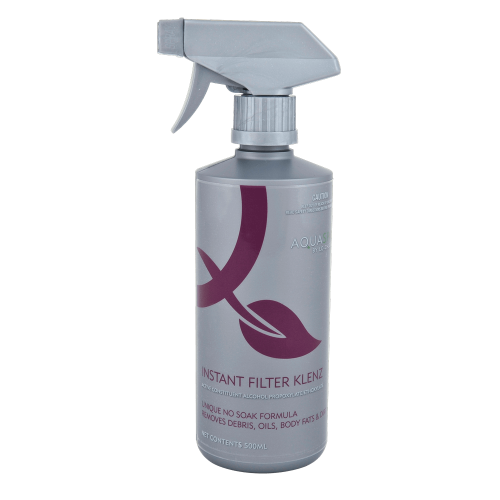
- Rinse your filters regularly to remove any trapped mineral particles.
Ready for a gentler soak? Explore the AQUASPA™ START-UP KIT today and discover the difference that balanced, chlorine-free water can make for your family.
Enjoy a Pure and Worry-Free Soak
Mastering mineral balance is the final piece of the puzzle for a truly relaxing home spa. By keeping your water in the "Goldilocks Zone," you protect your equipment from silent corrosion and ensure your skin stays soft and irritation-free. Whether you're managing a rural bore supply or a soft city tap, understanding calcium hardness in spa water nz allows you to enjoy a crystal-clear soak without the stress of white scale or "hungry" water.
If you're ready to leave behind harsh chemicals and "scratchy" water, it's time to upgrade your routine. Our system is 100% Chlorine and
Bromine Free, making it the ideal choice for families with sensitive skin or allergies. We offer nationwide NZ shipping to bring this gentle
solution directly to your door. Switch to a Gentler Soak
with the AQUASPA™ START-UP KIT today
and experience the peace of mind that comes with clean, simple, and effective water maintenance. Your family deserves a soak that feels as
healthy as it looks.