Chlorine vs. Chlorine-Free Spa: The Ultimate Guide for NZ Spa Owners
Your spa pool is meant to be a sanctuary of relaxation, a warm haven to unwind and connect with family. But that blissful vision is often clouded by the overpowering smell of chlorine, followed by the familiar sting of red eyes and itchy skin. This common frustration is at the heart of the chlorine vs chlorine free spa debate, leaving many Kiwi spa owners wondering how to achieve healthy water without the harsh side effects, especially for their children.
We believe your spa should be both safe and gentle. In this ultimate guide, we’ll provide a clear, straightforward comparison to help you navigate your options. We will break down the pros and cons of traditional chlorine and modern chlorine-free systems, empowering you to make a confident choice for your family. Our goal is to help you find the most effective and comfortable sanitiser, ensuring your spa water is always sparkling, healthy, and wonderfully irritation-free.
Key Takeaways
- Learn the common reasons spa owners move away from traditional chlorine, including harsh chemical smells and skin irritation.
- Discover how modern chlorine-free systems provide healthy, sparkling spa water that’s gentle on sensitive skin and allergies.
- Compare key features side-by-side to decide the winner in the chlorine vs chlorine free spa debate for your family’s needs.
- Get a clear, step-by-step guide on how to safely and easily switch your spa to a gentle, chlorine-free system.
The Great Debate: Why Spa Owners Question Chlorine
For decades, chlorine has been the undisputed standard for keeping spa pools clean and safe. It's effective, widely available across New Zealand, and affordable. However, a growing number of Kiwi spa owners are starting to question if it's the right choice for their families. The debate over chlorine vs chlorine free spa sanitation often begins not with performance, but with the user experience.
The most common complaint is the harsh, distinct chemical smell that clings to your skin and swimwear long after you've left the water. Beyond the odour, chlorine can be corrosive to spa components over time. The primary concern for many, however, is its effect on the body. It's known to cause dry, itchy skin, irritated red eyes, and can aggravate respiratory conditions. For anyone with sensitive skin, eczema, asthma, or allergies, the search for a gentler, more comfortable alternative becomes a top priority for creating a truly relaxing and healthy spa environment.
How Does Chlorine Keep a Spa Clean?
Chlorine is a powerful and fast-acting sanitiser and oxidiser. In simple terms, it works in two key ways. First, it effectively kills harmful microorganisms like bacteria, viruses, and algae on contact. Second, it breaks down organic contaminants introduced by bathers, such as sweat, oils, and lotions. Its effectiveness and low cost have made it the foundation of most traditional hot tub sanitation methods, ensuring water remains clear and hygienic.
What About Bromine? Is it a Better Choice?
When spa owners look for an alternative to chlorine, bromine is often the first option they encounter. As a fellow halogen, it works similarly to chlorine but is more stable in the high temperatures of a spa pool, meaning it lasts longer. Many users also find it has a lower, less pungent odour. However, bromine is slower to act than chlorine and typically comes with a higher price tag in NZD, making it a more expensive ongoing commitment for spa maintenance.
Exploring the World of Chlorine-Free Spa Sanitisers
For many Kiwi spa owners, the choice in the chlorine vs chlorine free spa debate comes down to comfort and health. Chlorine-free sanitisers offer a modern, innovative approach to keeping your spa water pristine and safe without the harsh effects often associated with traditional chlorine. The goal is always to achieve healthy, sparkling water that meets high standards for hygiene, a principle supported by global health bodies. In fact, the WHO guidelines on recreational water safety underscore the importance of effective sanitation, regardless of the method used. It's crucial to understand that 'chlorine-free' does not mean 'chemical-free'; it simply means using a different, gentler type of approved sanitiser to protect you and your family.
Biguanide (PHMB) Sanitisers: The Gentle Powerhouse
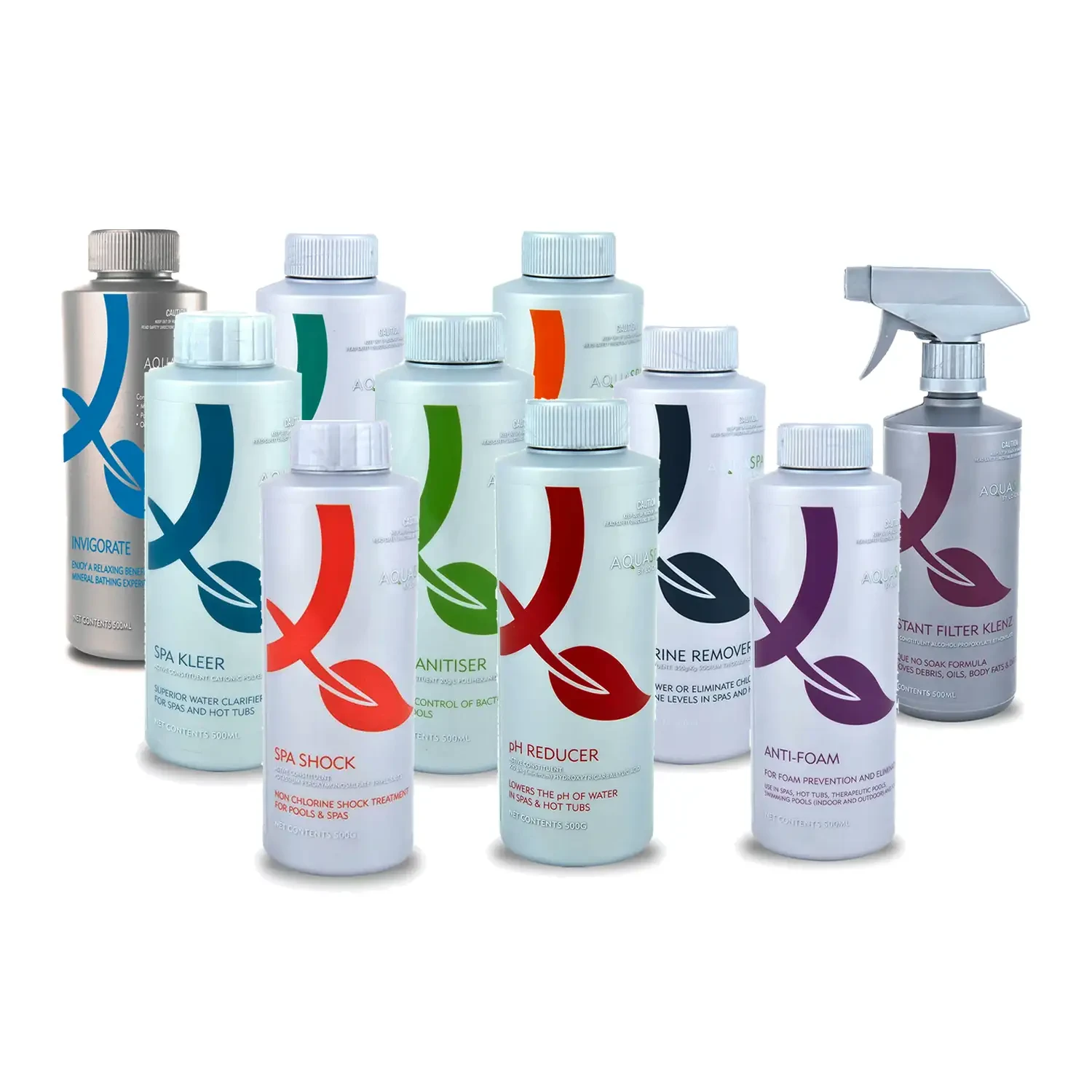
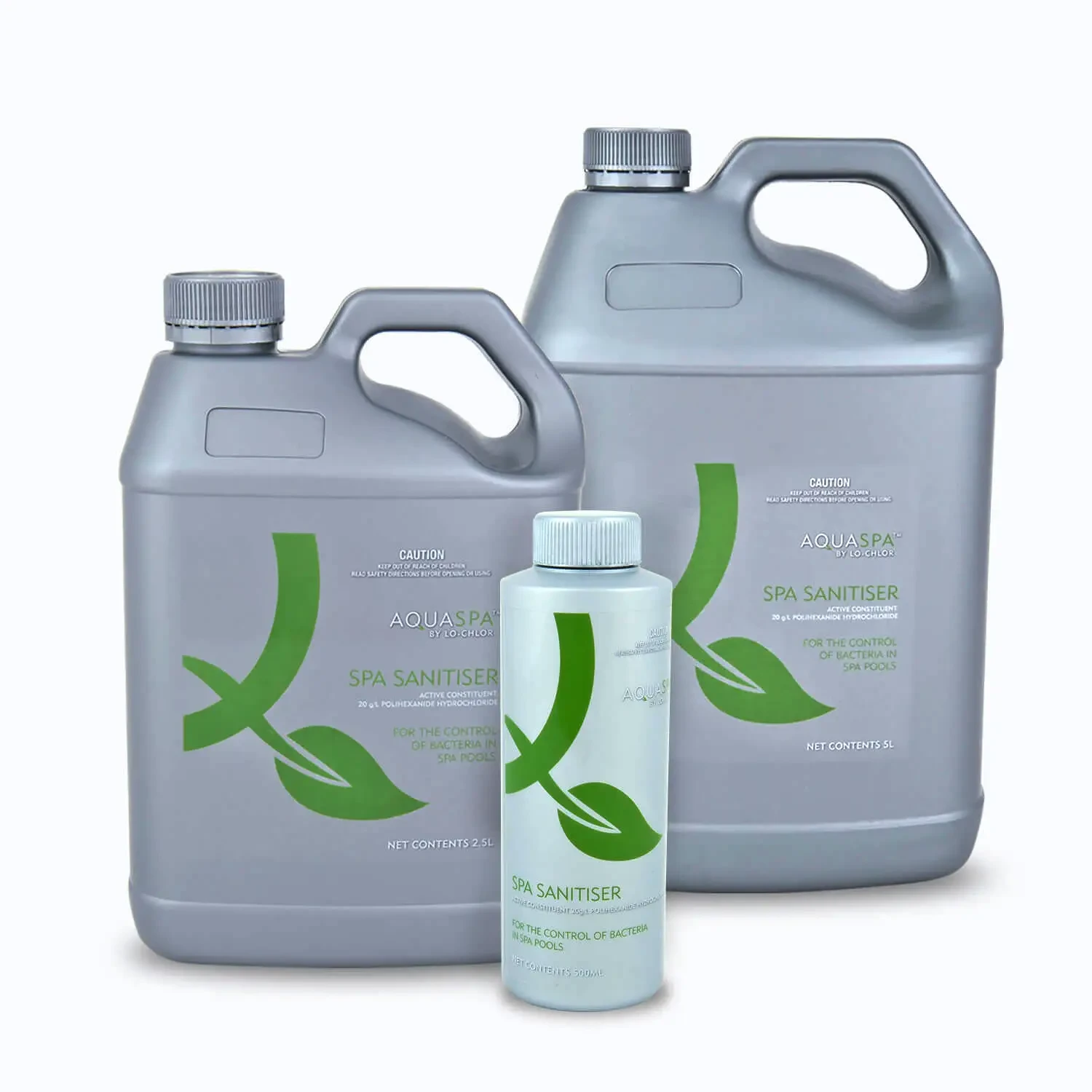
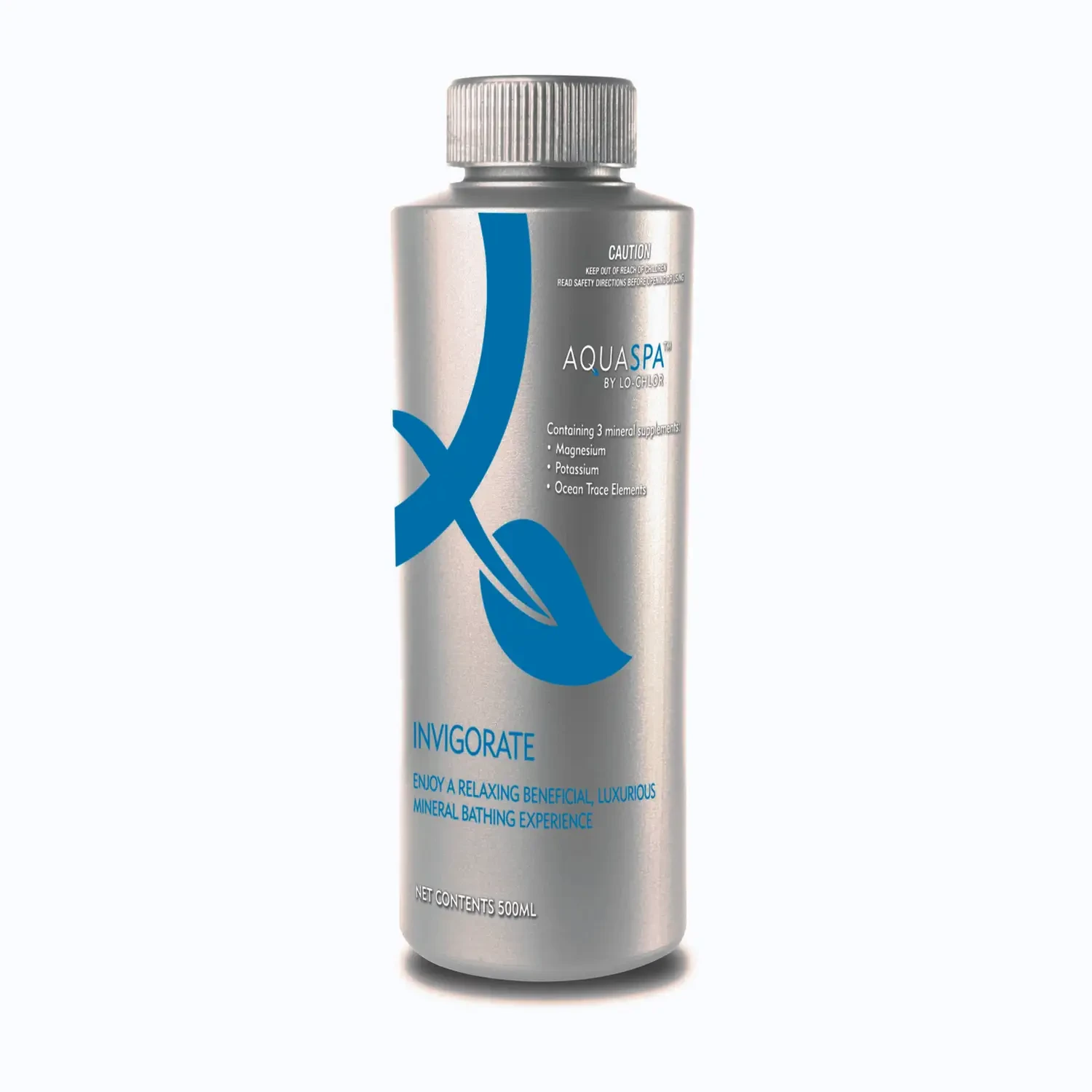
This is the trusted technology behind systems like AQUASPA™. Biguanide, or PHMB, is a powerful sanitiser known for its exceptional gentleness on skin, eyes, and hair, making it a popular choice for families and those with sensitivities.
- Gentle & Effective: Provides robust protection against bacteria without the harsh smell or irritation of chlorine.
- Stable Performance: PHMB is very stable in the high temperatures of a spa pool, meaning it remains effective for longer periods between doses.
- Critical Note: Biguanide is completely incompatible with chlorine. If you are switching from chlorine, your spa's plumbing must be thoroughly purged first to avoid a serious chemical reaction and cloudy water.
Hydrogen Peroxide: The Active Oxygen Method
This method uses a powerful liquid oxidiser to create 'active oxygen' in the water, which effectively destroys bacteria and organic contaminants. It's valued for being a very clean and simple system.
- Pros: It is completely odourless and breaks down into just water and oxygen, making it extremely gentle on the skin.
- Cons: Hydrogen peroxide is less stable than other sanitisers, especially in hot water. This means it requires more frequent testing and dosing, and it is generally considered a weaker sanitiser for heavy spa use.
Mineral & Silver Ion Systems
These systems work by releasing low levels of mineral ions, typically silver and copper, into the spa water. These ions disrupt the life cycle of bacteria and algae. They are often sold as cartridges or 'sticks' that are placed inside the filter.
- Pros: Extremely low maintenance, as the ions are released slowly over several months. This method introduces very few chemicals into the water.
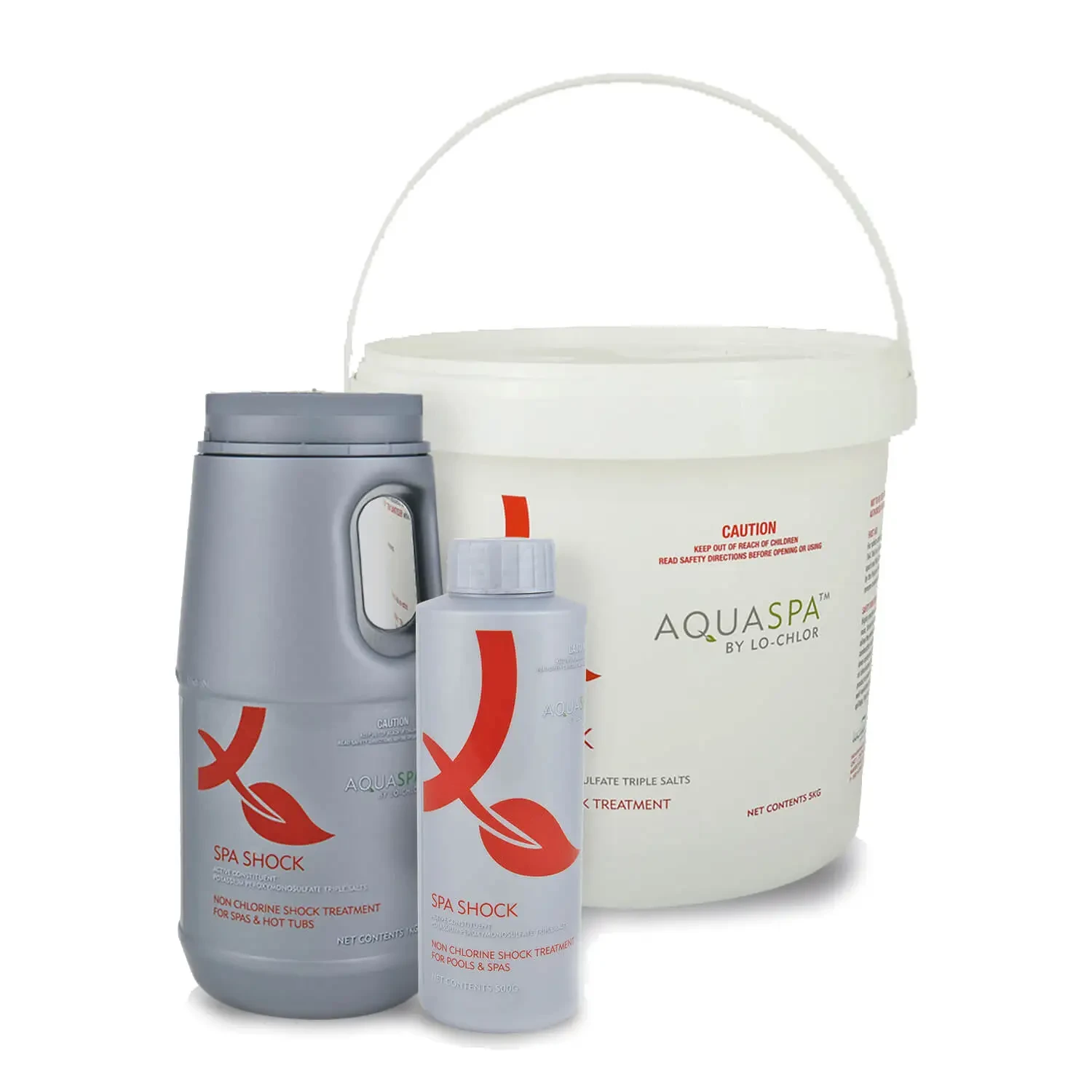
- Cons: Mineral sanitisers are slow-acting and may not be able to handle a high bather load on their own. They almost always require a supplementary oxidiser (like a non-chlorine shock) to break down contaminants and keep the water clear.
Head-to-Head: A Feature-by-Feature Comparison
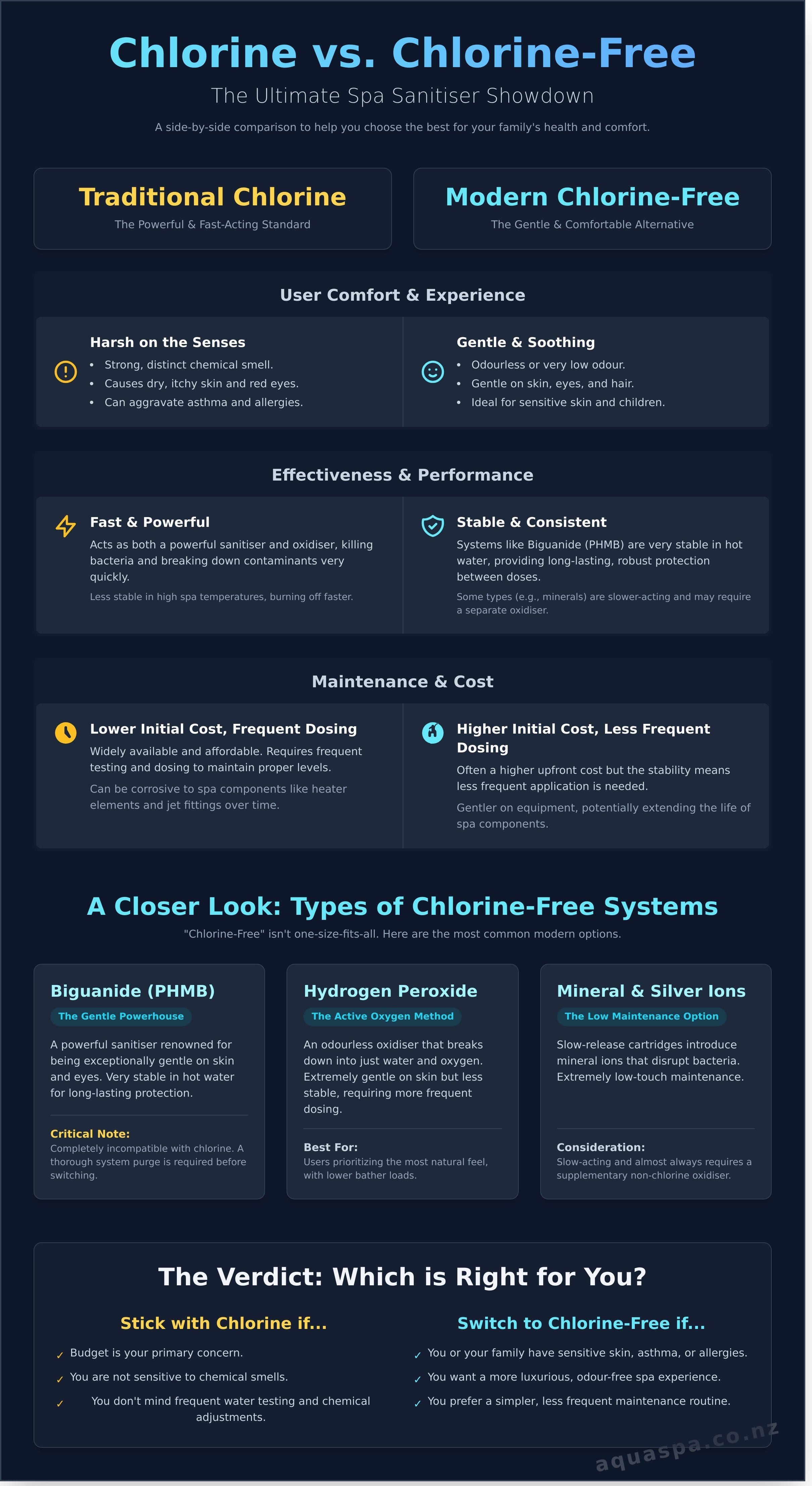
When it comes to the chlorine vs chlorine free spa debate, the best choice often comes down to your personal priorities for comfort, cost, and care. To help you decide, we’ve broken down the key differences in a straightforward, feature-by-feature guide for New Zealand spa owners.
Gentleness & Comfort: Skin, Eyes, and Smell
Your spa should be a place of relaxation, not irritation. A key difference between these systems is how they feel. Chlorine is known for its drying effect on skin and hair, accompanied by a strong chemical odour that can irritate the eyes and respiratory system. In contrast, chlorine-free sanitisers like biguanide leave the water feeling soft and silky. They are odourless and significantly reduce the risk of irritation.
- Winner: Chlorine-Free Systems. Ideal for families, children, and anyone with sensitive skin, asthma, or eczema.
Effectiveness: Sanitising Power & Water Safety
Both systems are highly effective at keeping your spa water safe and hygienic, but they work in different ways. Chlorine is a powerful, fast-acting oxidiser that kills bacteria on contact. It’s the traditional benchmark for sanitising power. Chlorine-free systems provide consistent and stable protection by binding bacteria together, making them easy for your filter to remove. Both systems require regular "shocking" to break down organic waste and keep the water sparkling clear.
- Winner: Chlorine for raw, fast-acting power. Chlorine-free for consistent, gentle, and reliable water safety.
Maintenance: Dosing, Testing, and Effort
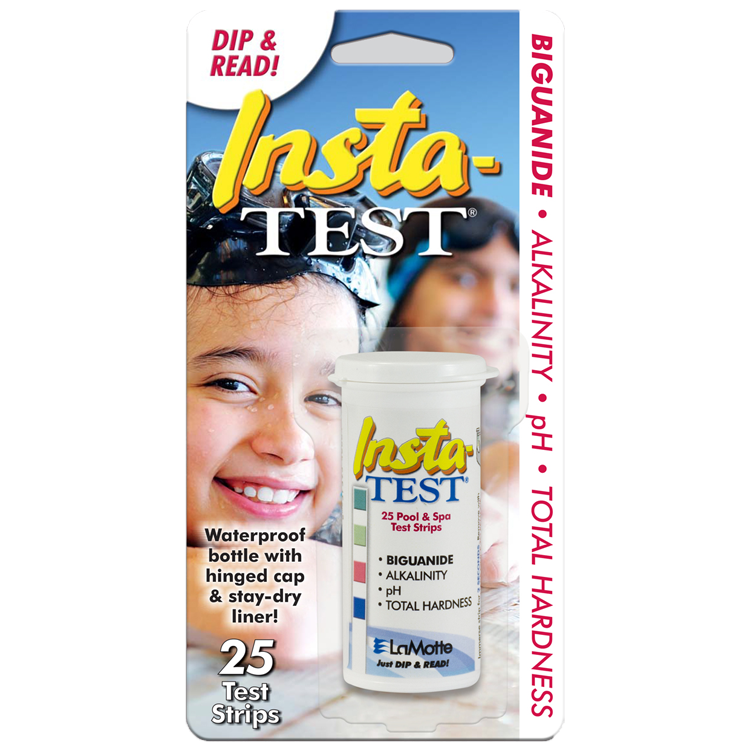
How much time do you want to spend on water care? Chlorine levels can fluctuate rapidly with heat, sunlight, and spa usage, often requiring testing and adjusting several times a week. Chlorine-free systems are much more stable. A single dose of a biguanide sanitiser can last a week or more, meaning you test and dose less frequently. This gives you more time to simply enjoy your spa. Just be sure to use the specific test strips designed for your system.
- Winner: Chlorine-Free Systems. The stability of the sanitiser leads to a more predictable and lower-maintenance routine.
Cost: Upfront Investment vs. Long-Term Expense
For many Kiwi spa owners, budget is a key consideration. Chlorine is typically the cheapest option for an initial purchase, with a container of granules often costing between NZ$25 - NZ$40. While a chlorine-free system may have a higher upfront cost, its stability can make it very cost-effective over time. Because the sanitiser lasts longer in the water, you often use less product throughout the year. See how affordable a gentle spa can be with our Start-Up Kit.
- Winner: Chlorine for the lowest upfront cost. Chlorine-free for excellent long-term value and convenience.
Ready to Switch? How to Convert Your Spa to Chlorine-Free
If the debate over chlorine vs chlorine free spa systems has you ready for a healthier, gentler soak, you’ll be pleased to know that making the switch is a straightforward process. Think of it as a 'spa detox'—a chance to completely reset your spa pool for a truly fresh start. The key is to thoroughly remove all traces of your old chlorine or bromine sanitiser to ensure your new system can work at its best, giving you healthy, sparkling water from day one.
Follow these three simple steps to convert your spa with confidence.
Step 1: The System 'Purge'
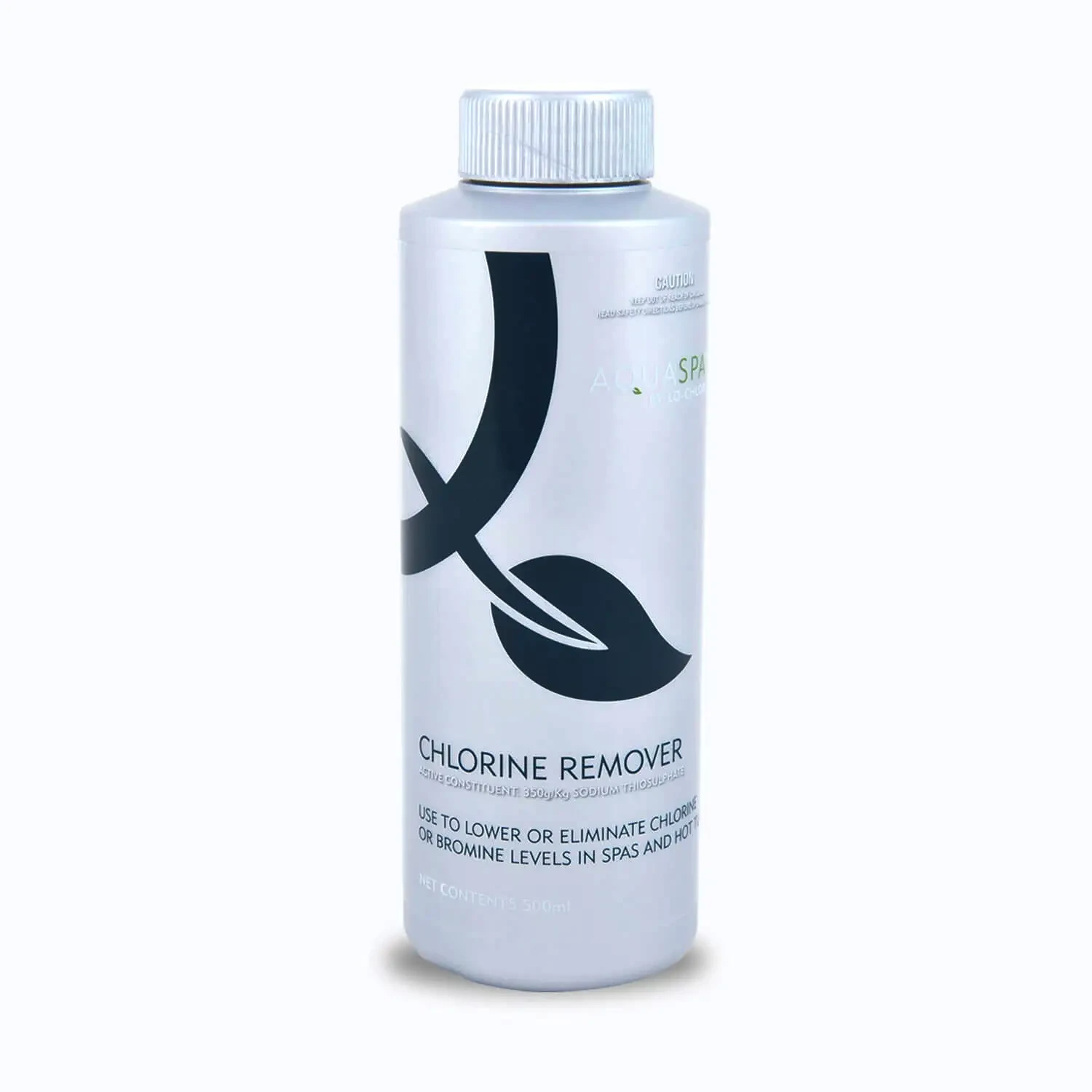
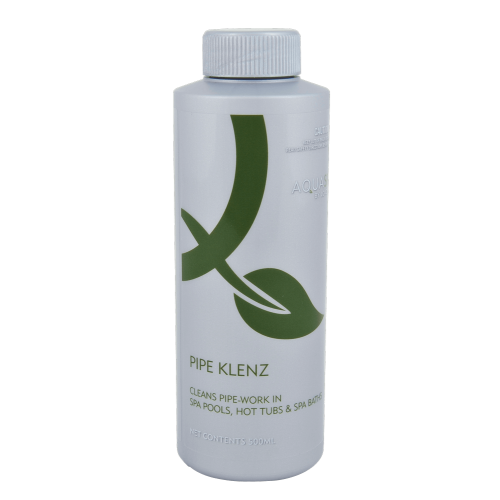
Before you drain the old water, you need to clean the hidden plumbing. Over time, biofilm and chemical residue build up inside the pipes. Add a quality pipe cleaner to your spa water and run the jets for the time recommended on the product label. This crucial step flushes out unseen grime, ensuring your new water stays pristine and gentle on your skin.
Step 2: Drain, Clean, and Refill
Once the purge is complete, fully drain all the water from your spa pool. Give the shell a thorough wipe-down with a non-abrasive surface cleaner to remove any lingering residue. This is also the perfect time to give your filter a deep clean or, for the best results, replace it with a new one. Finally, refill your spa with fresh water from your hose.
Step 3: The Fresh Start
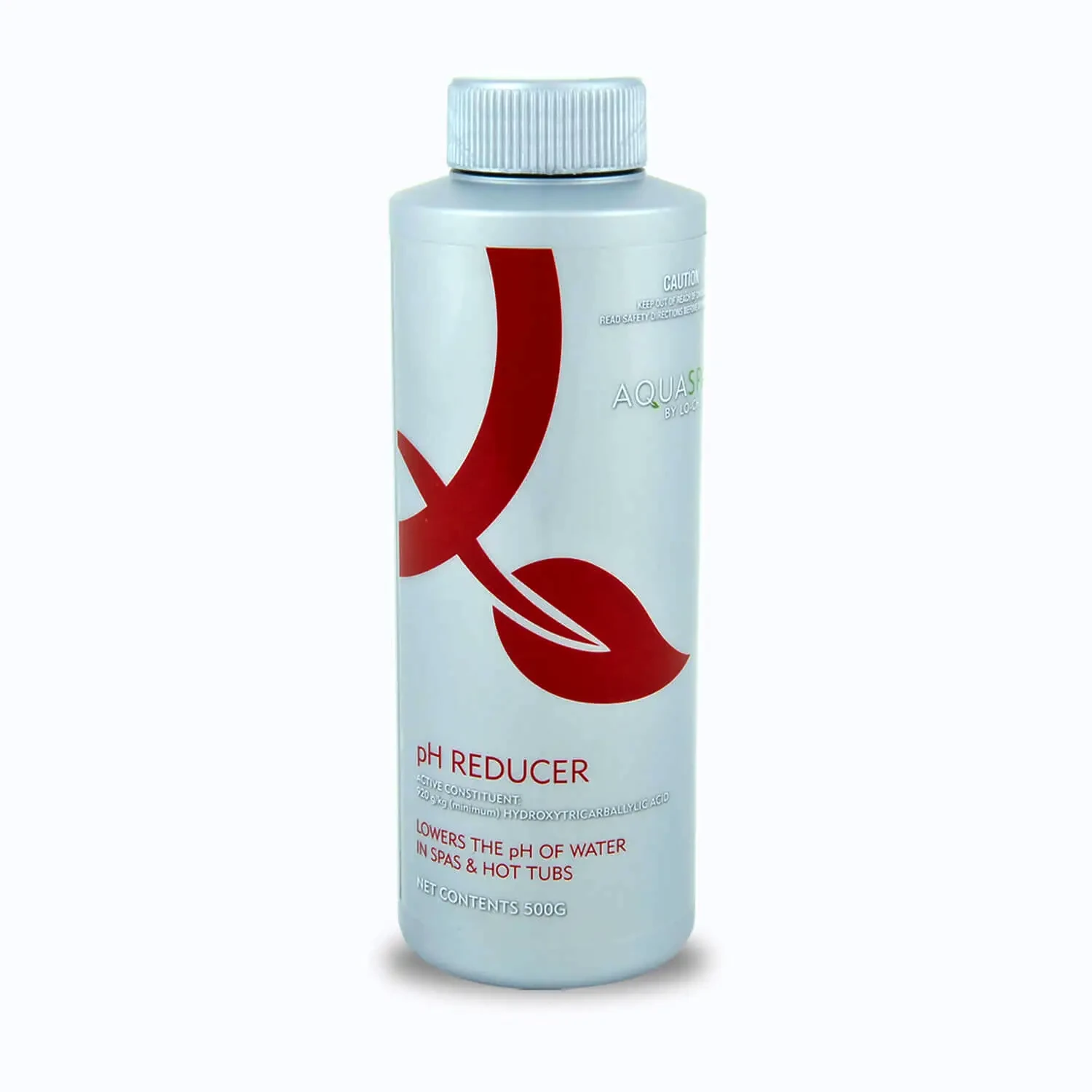
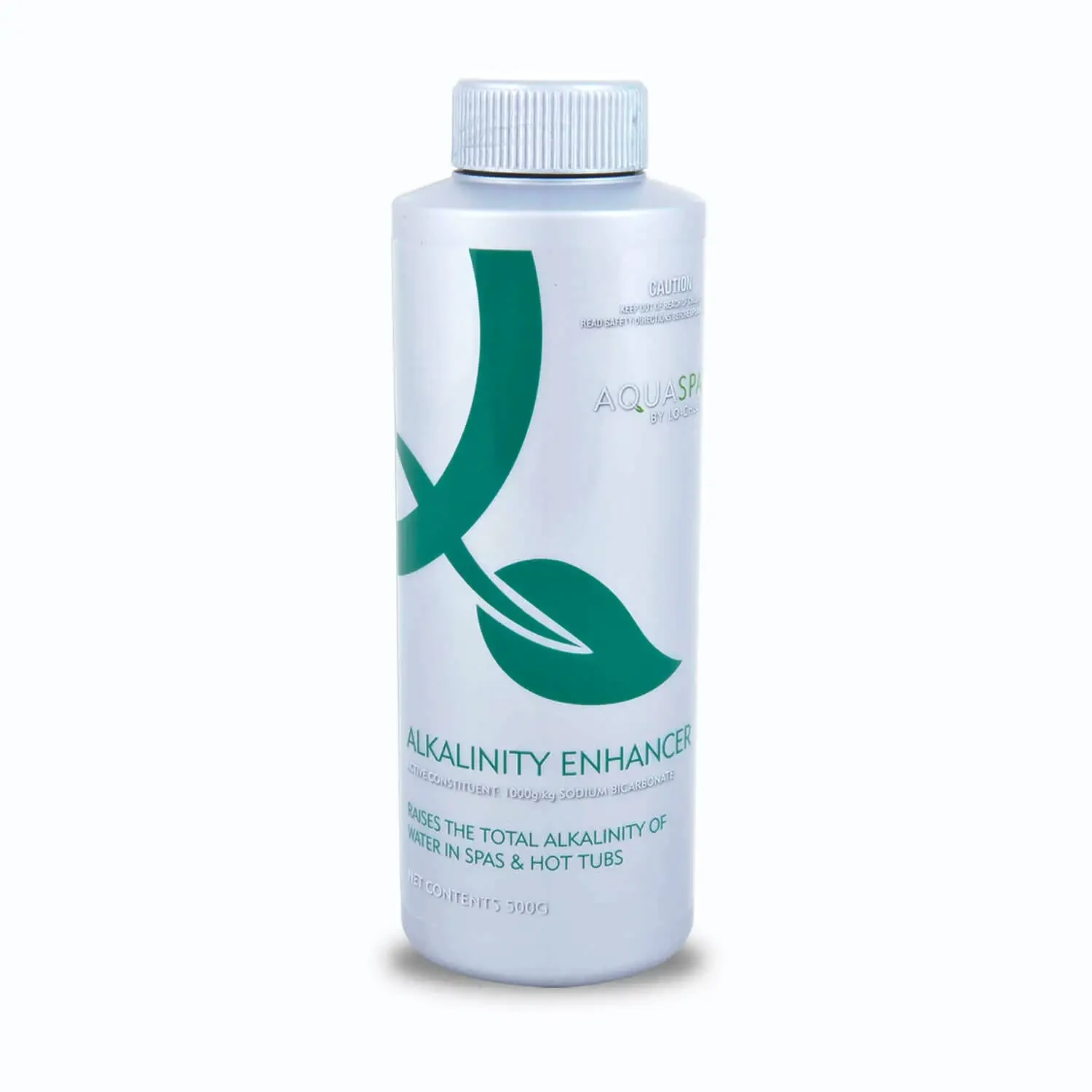
With fresh water in your spa, you’re ready to begin. The first step is always to test and balance the pH and Total Alkalinity levels, as this creates the right environment for any sanitiser to work effectively. Once your water is balanced, you can introduce your new chlorine-free sanitiser. It is vital to follow the start-up instructions for your chosen product precisely to establish a healthy foundation for your spa water. For a simple, all-in-one solution, our AquaSpa Start-Up Kit has everything you need to switch with confidence.
Making the Choice for a Healthier Spa Experience
The choice between a traditional chlorine system and a modern, gentle alternative ultimately comes down to your desire for comfort and wellbeing. While chlorine is a long-standing option, it often comes with harsh odours and skin irritation. Chlorine-free sanitisers provide an effective, family-friendly way to keep your water pristine without the unpleasant side effects.
For many NZ spa owners, the chlorine vs chlorine free spa decision becomes simple when health is the priority. AquaSpa™ is a proven, trusted system designed specifically for this purpose. It’s a revolutionary way to keep your spa water healthy and sparklingly clear, offering a solution that is famously gentle on sensitive skin and allergies. You can finally say goodbye to the harsh chemical smell and enjoy pure relaxation.
Making the switch is straightforward and rewarding. Ready to enjoy a gentle, odour-free spa? Get started with the AquaSpa™ Start-Up Kit. We hope you enjoy many relaxing hours in your beautifully clear and comfortable spa pool.