Chlorine Tablets in Your Spa: The Hidden Risks for Your Skin & Health
Your spa should be a sanctuary of relaxation, a place to unwind and soothe your body. But what if that experience leaves you with dry, itchy skin and a lingering, unpleasant chemical smell? For many spa owners in New Zealand, this is a frustrating reality, often caused by the very sanitisers they trust to keep their water clean. While convenient, the steady use of chlorine tablets can introduce harsh chemicals that irritate your skin and disrupt the simple joy of a warm soak.
In this guide, we’ll uncover what these common sanitisers really do to your spa water, your family’s health, and even your spa’s sensitive equipment. More importantly, we will introduce you to a proven, gentle, and chlorine-free alternative for maintaining healthy, sparkling water. Get ready to discover how you can achieve a truly relaxing and worry-free spa experience, without the hassle or the harshness.
Key Takeaways
- Understand what that strong "chemical smell" in your spa is truly telling you about your water's health and comfort.
- Discover the difference between a chlorine allergy and common skin sensitivity, and learn what might be causing your post-spa itch.
- See how the slow-dissolving nature of chlorine tablets can impact more than just the water, potentially affecting your spa's delicate equipment over time.
- Explore a gentle, chlorine-free alternative that keeps your spa water healthy and sparkling, perfect for the whole family.
Table of Contents
- What Are Chlorine Tablets & How Do They Work in a Spa?
- The Unspoken Downsides: Why Chlorine Might Be Harming Your Spa Experience
- Health Concerns: Are Chlorine Tablets a Safe Choice for Your Family?
- The Gentle Alternative: Discovering Chlorine-Free Spa Care
What Are Chlorine Tablets & How Do They Work in a Spa?
For many spa owners across New Zealand, maintaining clean and healthy water is a top priority. One of the most common solutions you'll find are chlorine tablets. These are a popular, slow-dissolving sanitiser designed to provide a steady, consistent level of protection for your spa. They work by gradually releasing 'free chlorine' into the water, which is the active ingredient that neutralises harmful bacteria, algae, and other contaminants to keep your spa water safe and sparkling.
The core principle of how water chlorination works is a proven method for disinfection. The undeniable convenience and low cost of these tablets have made them a staple in spa maintenance. But as we explore the signs of chlorine sensitivity, it’s worth asking: does this convenience come with a hidden cost to your skin and well-being?
Trichlor vs. Dichlor: What's the Difference?
Not all chlorine tablets are created equal, and choosing the right type is crucial for your spa's health. The two main types are Trichlor and Dichlor.
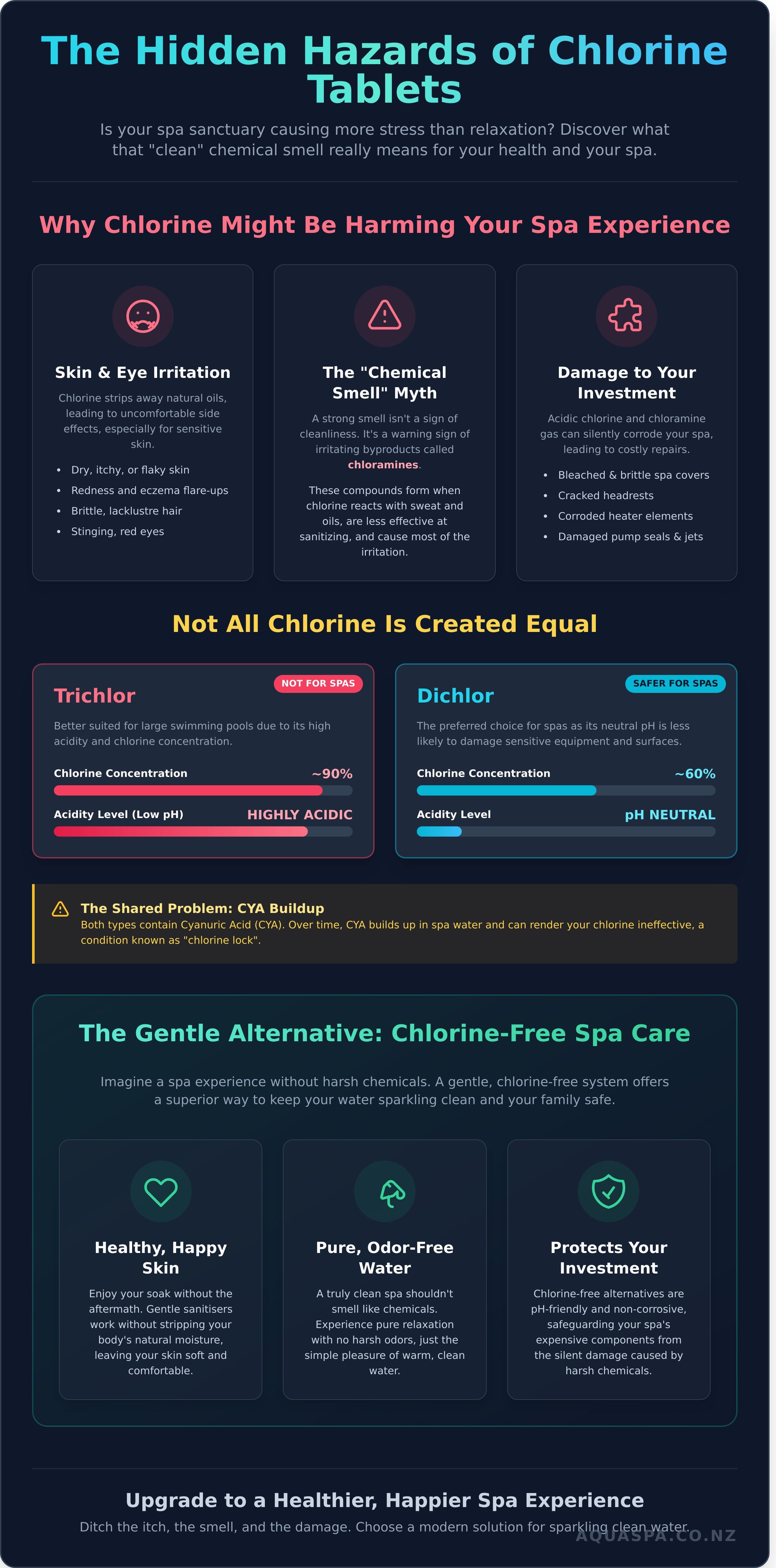
- Trichlor (Trichloro-S-Triazinetrione): This type has a very high chlorine concentration (around 90%) and is highly acidic with a low pH. It's generally better suited for larger swimming pools, not spas.
- Dichlor (Sodium Dichloro-S-Triazinetrione): With a lower chlorine concentration (around 60%), Dichlor is much closer to being pH neutral. This makes it the preferred and safer choice for spas, as it is less likely to damage sensitive acrylic surfaces and vinyl liners.
Both types contain a stabiliser called Cyanuric Acid (CYA), which protects chlorine from being broken down by sunlight. However, in a spa, CYA levels can build up quickly, eventually reducing the chlorine's effectiveness.
The Role of a Floating Dispenser
Properly dispensing your sanitiser is just as important as choosing the right one. You should never place chlorine tablets directly into your spa water or in the skimmer basket. Placing them directly on the spa surface can cause permanent bleaching and damage. If put in the skimmer, the highly concentrated chlorinated water can corrode and damage your spa's heater and pump equipment over time.
The correct method is to use a floating dispenser. This simple device allows the tablet to dissolve slowly and evenly as it floats around the spa, ensuring a consistent release of sanitiser without causing harm to your equipment or spa shell. It’s a small step that makes a big difference in protecting your investment.
The Unspoken Downsides: Why Chlorine Might Be Harming Your Spa Experience
You step into your spa seeking relaxation but often emerge with itchy skin and stinging eyes. Many people accept these discomforts as a normal part of spa ownership, but they are often direct signs that your chlorine sanitiser isn't working for you. Understanding what that strong chemical smell really means is the first step toward a healthier, more enjoyable spa experience. These issues aren't just about comfort; they can also lead to hidden costs by damaging your spa itself.
Skin and Eye Irritation: The Most Common Complaint
Chlorine is designed to be a powerful sanitiser, but it doesn't distinguish between harmful bacteria and the natural oils that protect your skin and hair. It strips these oils away, which can lead to:
- Dry, itchy, or flaky skin after soaking
- Redness and irritation, especially for those with eczema
- Brittle, dry, and lacklustre hair
That familiar stinging sensation in your eyes isn't from fresh chlorine, but from irritating byproducts called chloramines. These compounds are particularly harsh on the delicate skin of children and anyone with sensitive skin, turning a relaxing soak into an uncomfortable ordeal.
That 'Pool Smell': It's Not a Sign of Cleanliness
Contrary to popular belief, a strong "chlorine" smell doesn't mean your spa is clean. In fact, it often signals the opposite. That sharp, chemical odour is the scent of chloramines, the result of chlorine combining with sweat, body oils, and lotions from bathers. Not only are chloramines less effective at sanitising your water, but they are also a major source of irritation.
When trapped under a spa cover, these compounds become a potent vapour. Research from health authorities even highlights the dangers of chlorine inhalation in enclosed, poorly ventilated spaces like a covered hot tub. A truly healthy and well-maintained spa should have very little scent at all.
Damage to Your Spa and Accessories
The negative effects of chlorine aren't limited to your body. The same chloramine gas that causes irritation also builds up under your spa cover, slowly bleaching the material and causing headrests to become brittle and crack. Furthermore, many common chlorine tablets are highly acidic, which drives down your spa water’s pH. This corrosive water can silently damage expensive components like your heater element, pump seals, and jet fittings, leading to costly repairs down the line.
Health Concerns: Are Chlorine Tablets a Safe Choice for Your Family?
While convenience and cost are important, the primary goal of your spa pool is relaxation and well-being. When your sanitiser causes discomfort, it’s worth looking closer at the potential health implications. Understanding the difference between a true allergy and a common sensitivity is the first step to ensuring every soak is a safe and healthy one for your family.
Chlorine Sensitivity vs. True Allergy
A true, diagnosed chlorine allergy is extremely rare. What most people experience is chlorine sensitivity, a common reaction to the harshness of the chemical. If you or your family notice red, itchy skin, rashes, or hives (a form of contact dermatitis) after using the spa, you are likely dealing with sensitivity. This is your body’s way of telling you that the current sanitiser isn't the right fit.
Respiratory Irritation from Chloramines
That strong "chlorine" smell from a spa isn't actually chlorine; it's a chemical byproduct called chloramines. These are created when chlorine reacts with organic matter like sweat and oils from swimmers. In the hot, steamy environment of a spa, these volatile compounds are easily inhaled. For those with asthma or other respiratory conditions, inhaling chloramines can trigger:
- Wheezing or coughing
- Shortness of breath
- Nasal irritation
The risk is even greater in enclosed or poorly ventilated spa areas, turning your relaxing retreat into a source of breathing difficulty.
The Problem with Cyanuric Acid (CYA) Buildup
Most stabilised chlorine tablets contain a chemical called Cyanuric Acid (CYA) to protect the chlorine from sunlight. While useful in an outdoor pool, CYA builds up rapidly in the small body of water of a spa. Over time, high levels of CYA "lock" the free chlorine, making it ineffective at sanitising the water. This forces you to add even more chlorine tablets to get the same effect, creating a frustrating and costly cycle. The only way to lower high CYA levels is to partially or completely drain your spa.
Creating a truly healthy spa experience means using a sanitiser that is both effective and gentle. If these concerns resonate with you, it may be time to explore a modern, chlorine-free system designed for sensitive skin. You can learn more about gentle alternatives at aquaspa.co.nz.
The Gentle Alternative: Discovering Chlorine-Free Spa Care
If the signs of chlorine sensitivity are all too familiar, the good news is you don’t have to give up your spa pool. The solution is to switch to a sanitising system that provides healthy, sparkling water without the harshness. Imagine soaking in a hot tub that feels soft on your skin and has no chemical smell-this is the reality of modern, chlorine-free spa care. It’s a revolutionary approach that moves beyond traditional chlorine tablets to offer a gentler, more comfortable experience for everyone.
In New Zealand, the leading choice for a proven, chlorine-free system is AquaSpa.
What is a Chlorine-Free Sanitiser?
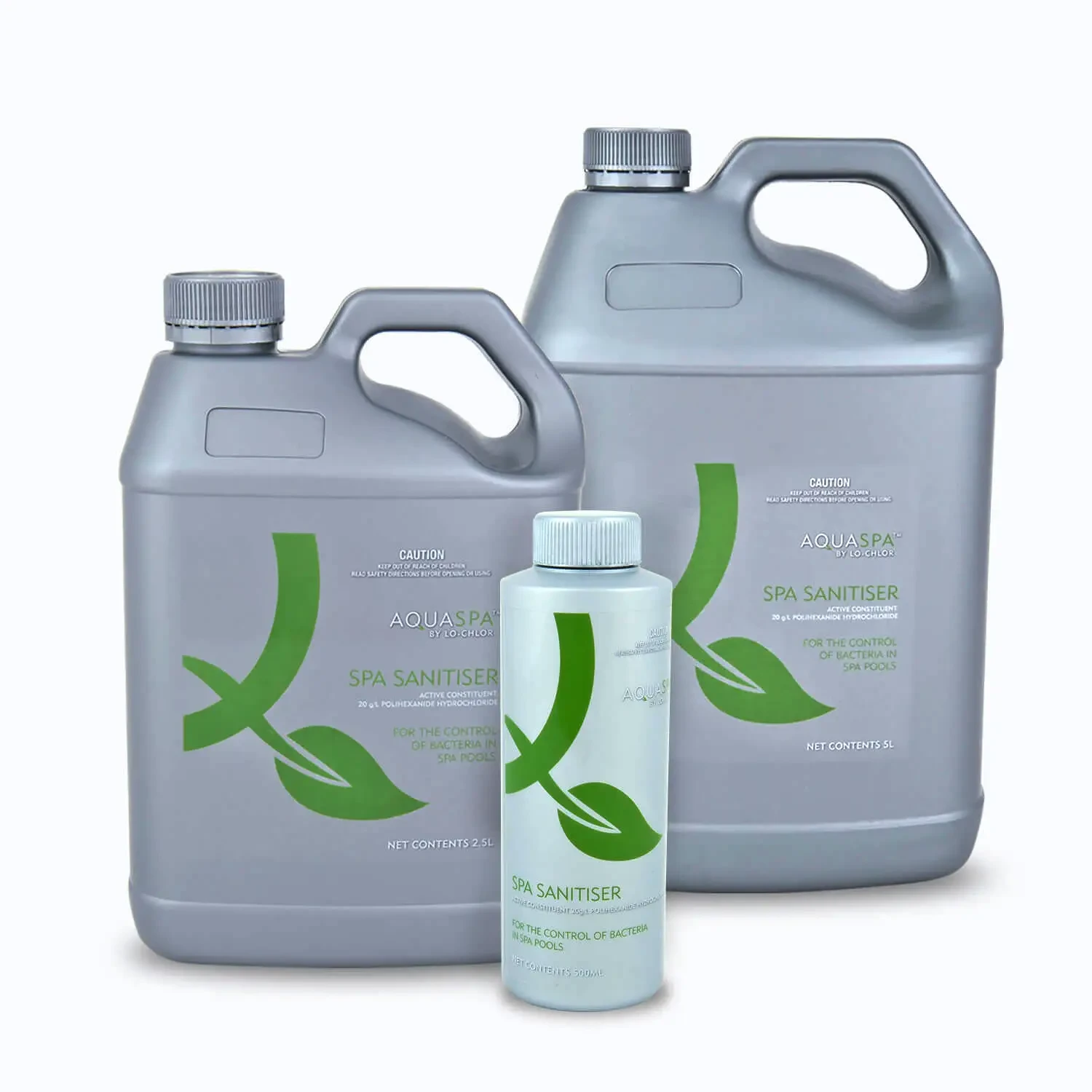
A chlorine-free sanitiser, like the AquaSpa system, is typically based on a poly-biguanide formula. Instead of aggressively oxidising contaminants like chlorine does, it works in a smarter way. The molecules in the sanitiser bind to the cell walls of bacteria and other microorganisms, effectively neutralising them. This method is incredibly stable, meaning the sanitiser remains effective in your spa water for longer. It is not affected by heat or sunlight, providing consistent protection without the constant top-ups required by some chlorine systems.
Benefits for Your Health and Comfort
Making the switch delivers immediate and noticeable benefits that directly counter the problems caused by chlorine. The experience is transformed from one of tolerance to one of true relaxation and well-being.
- Gentle on Skin and Eyes: Say goodbye to the dryness, itching, and red eyes associated with chlorine. The water feels noticeably softer and is kind to even the most sensitive skin.
- No Chemical Odour: Enjoy the pure, clean scent of fresh water. A chlorine-free system eliminates the harsh chemical smell, allowing for a truly peaceful and relaxing soak.
- Perfect for the Whole Family: It is the ideal choice for families with young children or for anyone with skin sensitivities like eczema or psoriasis.
Ready for a gentler spa? Explore the AquaSpa system.
How to Switch From Chlorine to AquaSpa
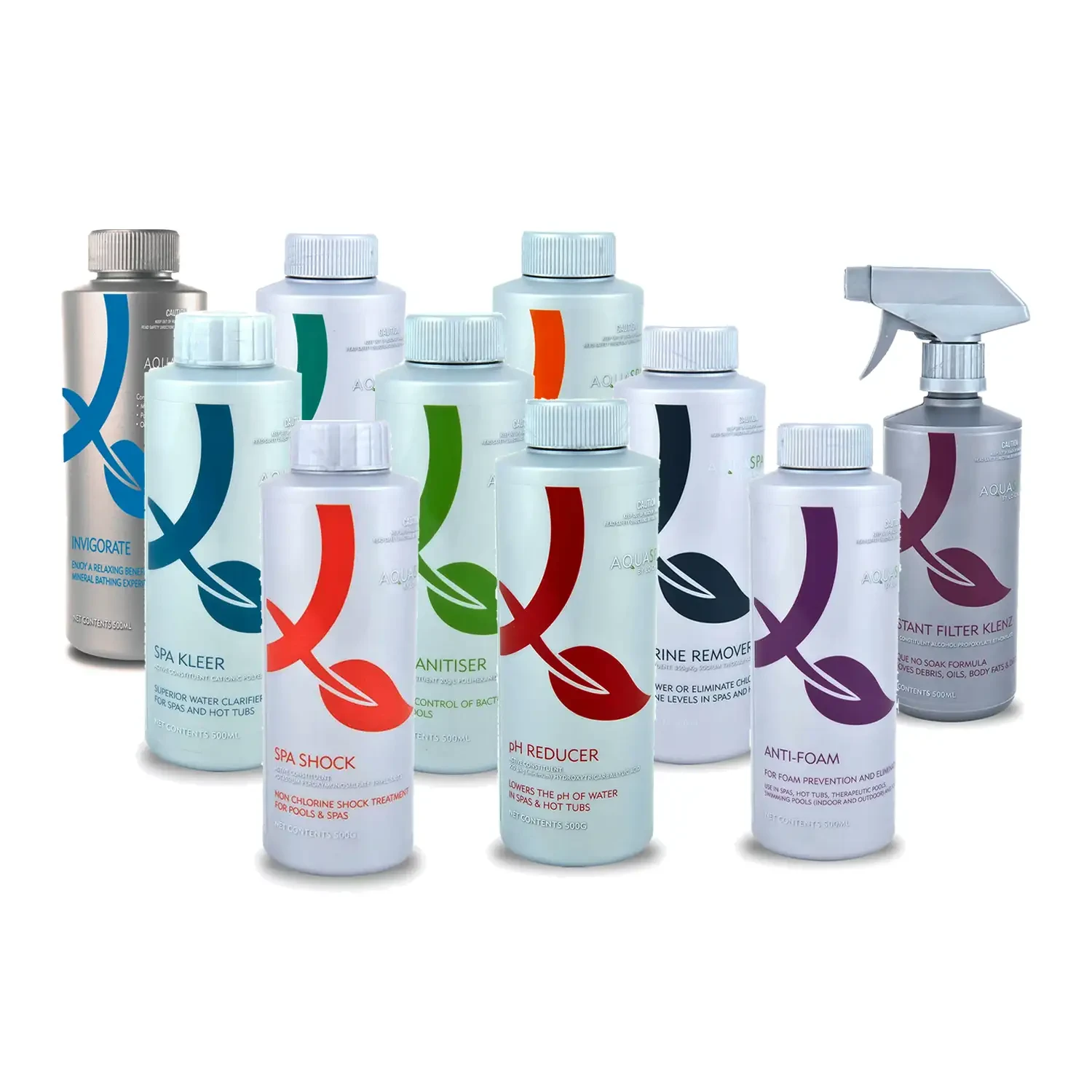
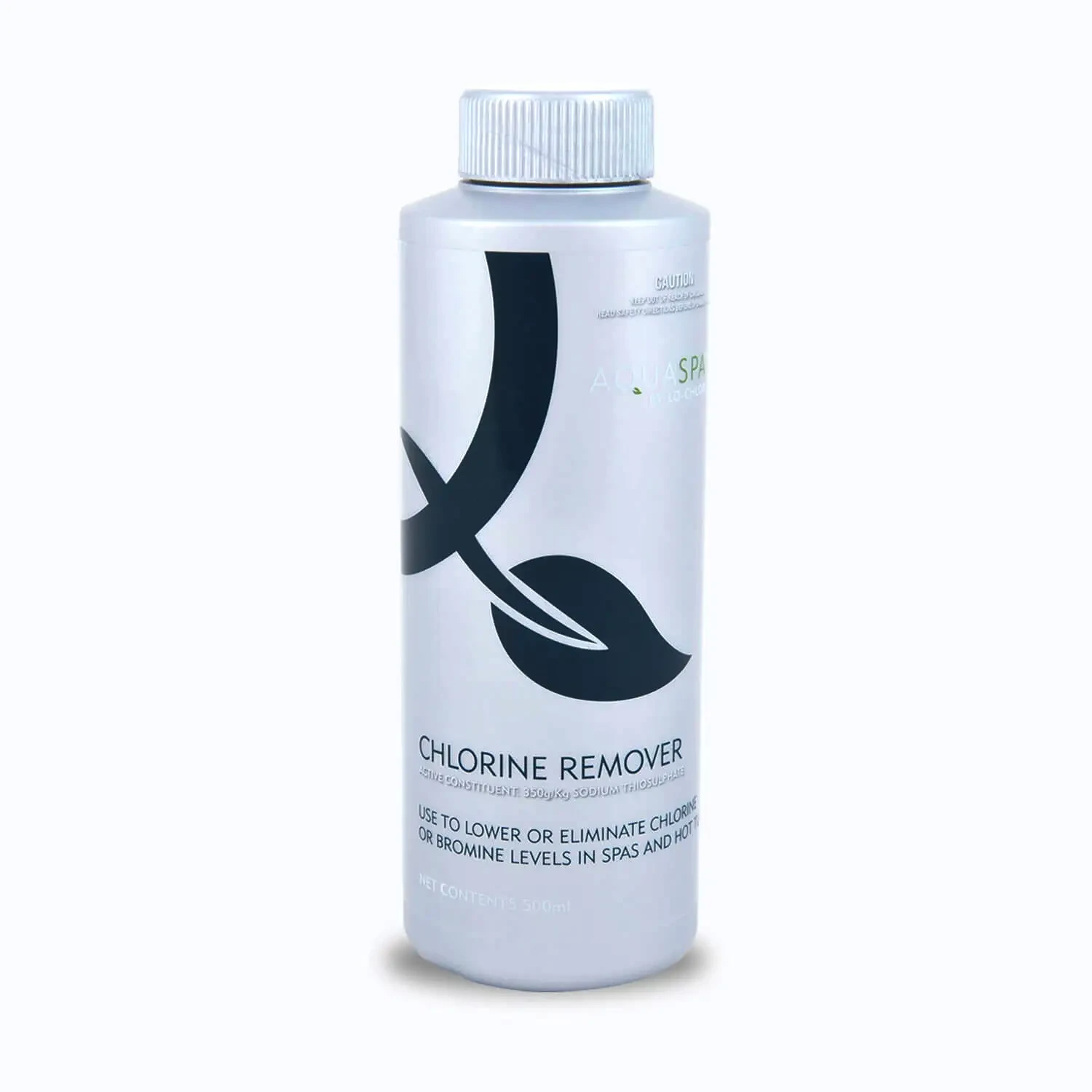
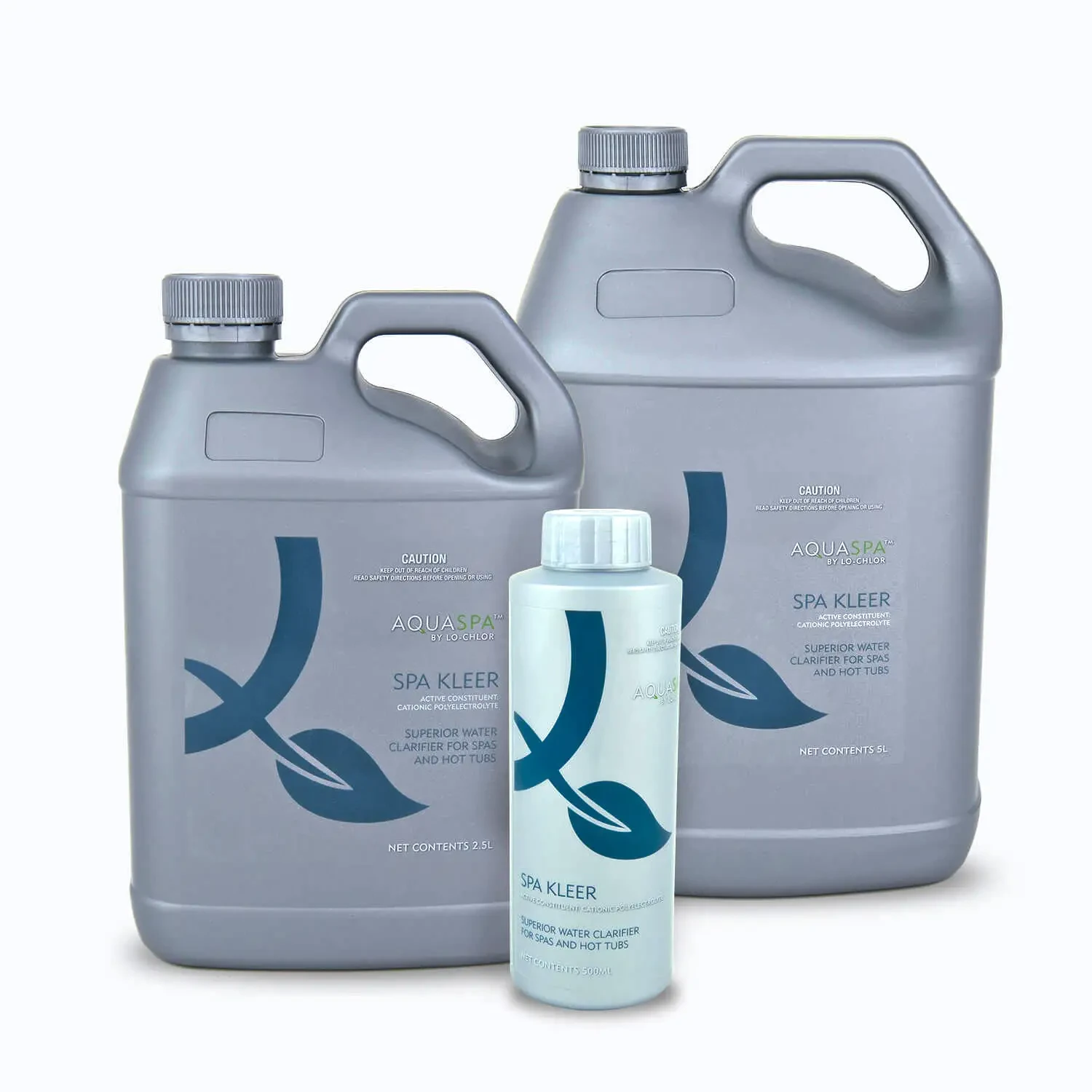
Transitioning your spa from a chlorine-based system is a simple and straightforward process. Before you begin, you must ensure all products containing chlorine, such as leftover chlorine tablets or shock treatments, are completely removed from the spa water. The AquaSpa Start-Up Kit contains everything you need to make the change with confidence.
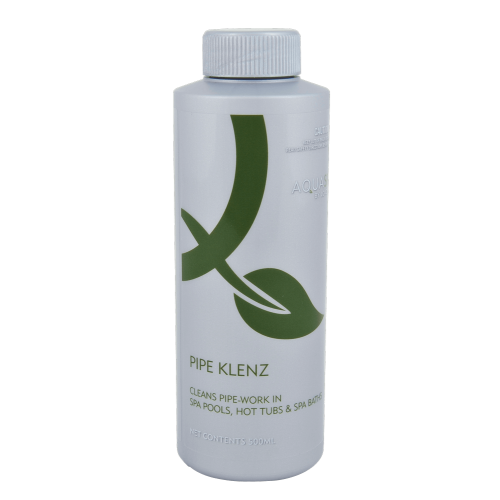
- Purge the Plumbing: Use a dedicated pipe cleaner like AquaSpa Pipe Klenz to flush out any biofilm and chemical residue from the spa’s internal plumbing.
- Drain and Clean: Completely drain the old, chlorine-treated water from your spa. Give the shell a thorough wipe-down.
- Refill and Begin: Refill your spa with fresh water and follow the simple instructions in the Start-Up Kit to establish your new, healthy chlorine-free system.
Embrace a Healthier, Gentler Spa Experience
Your spa should be a sanctuary for relaxation, not a source of discomfort. It's clear that while convenient, conventional chlorine tablets can introduce harsh chemicals that lead to irritated skin, unpleasant odours, and concerns for family wellness. This forces a difficult choice between sanitised water and a truly comfortable, restorative soak. Fortunately, you no longer have to compromise on your health or your relaxation.
There is a better, gentler way. At AquaSpa, we are proudly serving New Zealand spa owners with a revolutionary solution that is completely chlorine and bromine free. Our system is proven gentle on sensitive skin and allergies, allowing you to enjoy healthy, sparkling water without the harsh side effects. It’s time to rediscover the pure enjoyment of your spa pool.
Make the switch to a healthier, more comfortable spa experience. Get
started with our Chlorine-Free Start-Up Kit today!